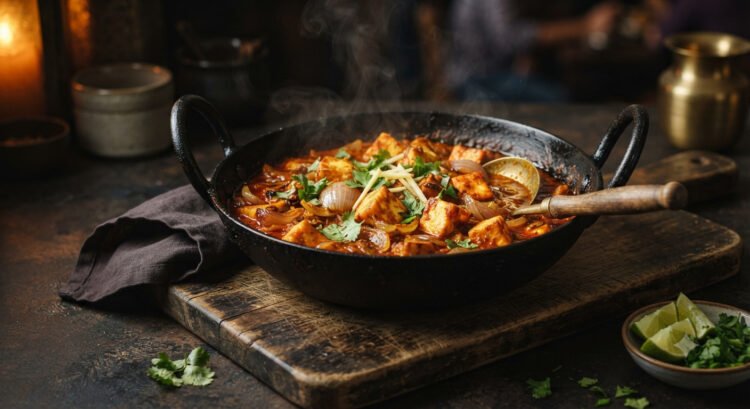
If you have ever sat down at a highway dhaba and ordered a paneer curry that felt more layered and interesting than anything you can explain — chances are it was a do pyaza. The onions appear twice, cooked in completely different ways, and each addition does something distinct to the final dish. The result is a gravy that is simultaneously rich and sharp, spiced and sweet, deeply savoury with just enough tang from yogurt to lift every other flavour into focus.
Paneer do pyaza is not the most famous North Indian paneer curry — it does not have the widespread recognition of butter masala or the Instagram popularity of lababdar but among serious home cooks and dhaba regulars, it occupies a quiet position of authority. It is the curry people order when they know what they are doing.
This guide gives you the complete recipe, the technique that makes it work, the science behind the double-onion method, the full troubleshooting table, all the useful variations, and the tips that make the difference between a good attempt and an exceptional bowl.
What Does “Do Pyaza” Actually Mean?
The name comes from the Urdu words do (two or double) and pyaz (onion). There is some culinary debate about its exact interpretation some sources describe it as a dish where the quantity of onion equals or exceeds the quantity of the main protein. Others describe it as a technique where onion is cooked in two distinct stages.
In practice, the most useful definition is the technique-based one: onion cooked twice, in two different ways. The first addition is finely chopped and cooked down into the base gravy, where it dissolves completely into the sauce and provides the foundational body and sweetness. The second addition is onion petals quartered and separated that are pre-roasted with spices and added to the finished curry, where they retain some texture and a caramelised, slightly charred edge.
This double-onion technique is what separates do pyaza from every other onion-based curry. The first onion builds the base. The second onion is a flavour event of its own.
Why This Paneer Do Pyaza Stands Apart
Three Techniques That Define It
1. Pre-roasting the paneer and onion Before either ingredient enters the main gravy, both are roasted in a small amount of oil and butter with turmeric and chilli powder. This does several things simultaneously: the paneer develops a lightly golden crust that improves its texture and prevents it from becoming waterlogged in the gravy; the onion petals caramelise on the outside while staying slightly firm inside; and both pick up a toasted spice coating that adds depth to every bite. Skipping this step is possible but it produces a noticeably flatter dish.
2. Whisked curd added to the base The tomato-curd combination is classic North Indian technique — the tomatoes provide acidity and body, the curd adds a rounded tanginess and a subtle creaminess that heavy cream does not replicate. The technique requirement here is critical: the curd must be added on low heat with continuous stirring. High heat causes the curd proteins to split and curdle, producing a grainy, separated sauce. Low heat with constant movement keeps it emulsified and smooth.
3. Kasuri methi crushed between the palms at the end Dried fenugreek leaves (kasuri methi) are a finishing spice in this recipe rather than an early-stage flavour. Added in the last minute of cooking crushed between the palms before adding, which releases the aromatic oils they contribute a distinctive mildly bitter, hay-like note that is characteristic of dhaba-style curries. This detail is small but unmistakable.
Ingredients (Serves 3–4)
For Roasting the Paneer and Onion
| Ingredient | Amount | Notes |
|---|---|---|
| Oil | 2 tsp | |
| Butter | 1 tsp | Or ghee |
| Paneer, cubed | 200g / 12 large cubes | Homemade or fresh-packed; not crumbled |
| Onion, petals | ½ medium onion | Quartered and layers separated |
| Turmeric powder | ¼ tsp | |
| Red chilli powder | ½ tsp |
For the Main Gravy
| Ingredient | Amount | Notes |
|---|---|---|
| Oil | 2 tbsp | |
| Butter | 1 tsp | Or ghee |
| Cumin seeds | 1 tsp | |
| Cinnamon stick | ½ inch | |
| Green cardamom | 3 pods | Lightly crushed |
| Onion, finely chopped | 1 large | |
| Ginger-garlic paste | 1 tbsp | Freshly made or good-quality ready paste |
| Turmeric powder | ½ tsp | |
| Red chilli powder | 1 tsp | Kashmiri for colour + heat balance; use Byadagi for mild heat only |
| Coriander powder | 1 tsp | |
| Cumin powder | ½ tsp | |
| Salt | 1 tsp | Adjust to taste |
| Tomatoes, finely chopped | 2 medium | Fully ripe |
| Curd (yogurt) | ½ cup | Full-fat; whisked smooth; room temperature |
| Water | 2 cups | Adjust for consistency |
| Fresh coriander, chopped | 2 tbsp | For finishing |
| Kasuri methi | 1 tsp | Crushed between palms before adding |
| Garam masala | ¼ tsp | Add at the very end |
The Complete Method: Step by Step
Prep time: 10 minutes
Cook time: 30 minutes
Total time: 40 minutes
Stage 1 — Roast the Paneer and Onion
Heat 2 tsp oil and 1 tsp butter in a heavy-bottomed pan or non-stick skillet on medium-low heat. Add the paneer cubes and onion petals. Sprinkle ¼ tsp turmeric and ½ tsp chilli powder over them.
Roast on low heat, turning the paneer carefully every minute or so, until the paneer picks up light golden patches on at least two sides and the onion petals have softened and caramelised slightly at the edges. This takes 4–5 minutes. The goal is colour and texture — not full browning. Set aside.
Why this matters: The Maillard reaction on the surface of the paneer creates new flavour compounds that cannot develop in the liquid gravy. Pre-roasted paneer also holds its shape and texture through the simmering stage without becoming soft and spongy.
Stage 2 — Build the Spiced Base
In a large kadai or heavy-bottomed pan, heat 2 tbsp oil and 1 tsp butter on medium heat. When the butter melts and begins to foam, add the cumin seeds. Let them sizzle for 20–30 seconds until aromatic and slightly darker.
Add the cinnamon stick and crushed cardamom pods. Sauté for 30 seconds — the whole spices should release their aroma into the oil.
Add the finely chopped onion. Sauté on medium heat, stirring regularly, until deep golden brown. This is not a quick step — allow 8–10 minutes. Under-cooked onion produces a sharp, raw undertone in the finished gravy. Properly cooked onion is the foundation of everything that follows.
Add the ginger-garlic paste. Sauté for 2 minutes until the raw smell disappears.
Stage 3 — Add the Spices and Tomatoes
Reduce to low heat. Add turmeric, chilli powder, coriander powder, cumin powder, and salt. Stir constantly for 1 minute — the spices are cooking in the oil, which develops their flavour and prevents bitterness from raw spice powder. Do not rush this step on high heat; the spices will burn before they bloom.
Add the chopped tomatoes. Increase to medium heat. Cook, stirring regularly, until the tomatoes have broken down completely and the oil begins to separate and pool at the edges of the masala. This takes 8–10 minutes. The oil separation is the visual cue that the tomato masala is properly cooked this is the classic tel chhootna stage in North Indian cooking.
Stage 4 — Add the Curd
This is the most technique-sensitive step in the recipe.
Reduce heat to low. Add the whisked, room-temperature curd one or two tablespoons at a time, stirring constantly as you add. Never add cold curd to a hot pan in one pour — the temperature difference and the hot acid environment will cause the milk proteins to split.
Stir continuously as each addition of curd is incorporated before adding more. Once all the curd is in, continue to cook on low heat, stirring, until the mixture thickens and the oil separates again approximately 3–4 minutes.
Stage 5 — Add Water and Simmer
Add 2 cups of water. Stir to combine with the masala base. Taste and adjust salt. Bring to a gentle simmer.
Add the roasted paneer and onion petals. Stir gently the paneer cubes should be coated in the gravy but handled with care to prevent them breaking up.
Cover the pan and simmer on low heat for 5 minutes. The paneer will absorb the flavour of the gravy and the whole curry will come together.
Stage 6 — Finish and Serve
Remove the lid. Add chopped fresh coriander. Crush the kasuri methi between your palms and add it to the gravy (crushing releases the aromatic oils do not add it whole). Add garam masala. Stir once gently.
Taste for salt, spice, and tanginess. Adjust if needed. Serve immediately.
Paneer Do Pyaza Troubleshooting
| Problem | Likely Cause | Fix |
|---|---|---|
| Curd curdled / grainy gravy | Curd added on high heat; cold curd added too fast | Use room-temperature curd; reduce heat to low; add gradually with constant stirring |
| Bland, flat gravy | Onion undercooked; spices not bloomed; kasuri methi skipped | Sauté onion to deep gold; cook spices in oil before adding tomato; crush kasuri methi and add at the end |
| Gravy too thin | Not enough simmering; too much water | Simmer uncovered for 5–7 extra minutes to reduce; use less water next time |
| Paneer too soft / breaking apart | Paneer over-simmered; stirred too aggressively | Add paneer in the last 5–7 minutes only; stir gently; use fresh paneer |
| Onion petals too soft / lost texture | Roasted too long in Stage 1; simmered too long in gravy | Roast just until edges caramelise; add petals with paneer and simmer only 5 minutes |
| Gravy too sour | Over-ripe tomatoes + full-fat curd combination too acidic | Add a small pinch of sugar; balance with ½ tsp extra cream |
| Oil not separating from tomato masala | Tomatoes not cooked long enough; heat too low | Cook on medium heat for 8–10 minutes; look for oil pooling at the edges before adding curd |
Paneer Do Pyaza vs Similar Curries
| Feature | Paneer Do Pyaza | Paneer Butter Masala | Paneer Lababdar |
|---|---|---|---|
| Onion technique | Double — base and roasted petals | Single — blended into gravy base | Single + grated paneer method |
| Tomato base | Chopped + cooked down | Blanched + blended | Chopped or pureed |
| Dairy element | Curd (yogurt) | Heavy cream | Cream + curd |
| Paneer treatment | Pre-roasted | Often added raw | Often added raw; some versions fry |
| Richness level | Medium-rich | Very rich | Rich |
| Dhaba-style | Yes — quintessentially | Widely served but restaurant-style | Restaurant/hotel style |
| Onion texture in final dish | Noticeable — petals retain bite | No visible onion | No visible onion |
| Characteristic finish | Kasuri methi, caramelised onion | Butter + cream + tomato sweetness | Lightly charred whole chillies |
Variations and Adaptations
Dhaba-Style Extra Spice
To replicate the roadside dhaba version, increase the chilli powder to 1½ tsp in the gravy and add 1–2 whole dried red chillies when tempering the cumin seeds. The heat level is noticeably higher than the standard recipe, but it is balanced by the curd’s tanginess.
Creamy Version
Add 2 tbsp fresh cream at the very end after the kasuri methi and garam masala. Stir once and serve immediately. The cream softens the sharp spice edges and produces a richer, more restaurant-style finish.
Vegan / Dairy-Free
Replace the curd with full-fat coconut cream (the thick solids from a chilled can). The flavour profile shifts slightly — less sharp, more rounded — but the technique works. Replace butter with neutral oil or vegan butter throughout.
With Capsicum (Bell Pepper)
Add ½ cup of capsicum strips (green or red) to the roasting stage alongside the onion petals. Capsicum roasts beautifully, adds a slight sweetness and crunch, and is a classic dhaba addition to do pyaza variations.
Winter Version with Green Onions
Replace the onion petals in the roasting stage with the white bulbs of spring onions (scallions), lightly roasted. Add the green tops as a finishing garnish in place of regular fresh coriander.
Storage and Make-Ahead Guide
| Method | Duration | Notes |
|---|---|---|
| Refrigerator | 2–3 days | Store in an airtight container; gravy may thicken — add a splash of water when reheating |
| Freezer (gravy only) | Up to 1 month | Freeze the base gravy without paneer; add fresh-roasted paneer when reheating |
| Meal prep (base gravy) | Refrigerate 3–4 days | The tomato-curd base keeps well; roast paneer and onion fresh at serving time |
| Reheating | Stovetop on low | Add 2–3 tbsp water; heat gently; stir carefully to avoid breaking paneer |
Tip for best results: The gravy base (through Stage 4) can be made completely in advance and refrigerated. When ready to serve, reheat the base, add roasted paneer and onion, simmer 5 minutes, and finish with kasuri methi and garam masala. The final dish is as good as freshly made.
Nutrition Profile (Per Serving — Based on 4 Servings)
| Nutrient | Amount |
|---|---|
| Calories | 285 kcal |
| Protein | 14g |
| Carbohydrates | 12g |
| Fat | 20g (Saturated: 9g) |
| Dietary Fibre | 2.5g |
| Calcium | 320mg |
| Iron | 1.8mg |
| Sodium | 480mg |
Values are estimates based on standard ingredient quantities. Actual values vary with paneer fat content and oil quantity.
Paneer is one of the best vegetarian sources of complete protein, providing all essential amino acids. Full-fat curd in the gravy contributes both protein and probiotics. The turmeric in this recipe contributes curcumin, which has well-documented anti-inflammatory properties.
Serving Suggestions
Paneer do pyaza is a medium-to-thick gravy — it has enough body to coat a roti without pooling on the plate. It works equally well with:
- Phulka or tandoori roti — the classic pairing; the bread soaks up the spiced gravy
- Butter naan or garlic naan — richer pairing for a weekend meal or festive occasion
- Jeera rice or plain steamed rice — the gravy’s spice and tang pair particularly well with the neutral, aromatic base of cumin rice
- Laccha paratha — the layered flakiness of laccha paratha complements the textured onion petals in the curry
- Vegetable pulao — a one-plate combination for a complete meal
Finish the plate with a small cucumber-onion-lemon salad (kachumber) and a pickle of choice for the full dhaba experience.
Frequently Asked Questions
Q1. What is the meaning of “do pyaza” in paneer do pyaza?
“Do” means two or double, and “pyaza” is a Hindustani word for onion. The name describes the technique of using onion in two distinct ways in the same dish first finely chopped and cooked down into the gravy base, and second as larger petals that are pre-roasted with spices and added to the finished curry. This double treatment is what gives the dish its characteristic texture and layered onion flavour that you do not find in other paneer curries.
Q2. Can I skip roasting the paneer and onion separately?
You can, but the dish will be noticeably less complex. Pre-roasting the paneer creates a golden crust that improves texture and prevents the cubes from becoming soggy in the gravy. Pre-roasting the onion petals caramelises their surface and gives them a slightly charred sweetness that is a defining flavour in this dish. If you are short on time, pan-fry the paneer briefly in a dry non-stick pan without oil as a minimum substitute it takes 3 minutes and makes a meaningful difference.
Q3. My curd always splits and makes the gravy grainy. How do I prevent this?
There are three reasons curd splits in a curry: heat too high, curd too cold, or curd added too quickly. The fix for all three is the same: bring the heat to low before adding any curd; take the curd out of the refrigerator 20–30 minutes before cooking so it reaches room temperature; and add it in small additions a tablespoon or two at a time stirring constantly as each addition is incorporated before adding more. Full-fat curd is also more stable than low-fat in high-heat cooking environments. Following these three steps eliminates splitting almost entirely.
Q4. Can I use frozen paneer instead of fresh?
Yes, with a preparation step. Frozen paneer tends to be drier and less absorbent than fresh. Before using: submerge the frozen paneer in warm (not boiling) water for 10–15 minutes until it softens and becomes pliable. Pat completely dry before roasting. The warm-water soak restores moisture and significantly improves the texture in the finished curry. Fresh homemade paneer is the best choice for this dish because of its higher moisture content and ability to absorb flavour, but properly thawed frozen paneer is a good substitute.
Q5. How is paneer do pyaza different from paneer masala?
Paneer masala is a broad category it refers to any paneer dish cooked in a spiced masala base, which describes dozens of North Indian curries. Paneer do pyaza is specifically defined by the double-onion technique: onion both as a base ingredient and as a textured, roasted element in the finished dish. The other defining features curd in the gravy instead of cream, pre-roasted paneer, and kasuri methi as a finishing spice give it a character that is tangier, spicier, and more textured than a typical paneer masala.
The Curry That Earns Its Name
There is something satisfying about a dish that explains its own technique in its name. Paneer do pyaza is not a complicated recipe, but it is a thoughtful one every step is there for a reason, and the best version of this curry is the result of doing each step properly rather than hurrying through any of them.
Roast the paneer. Cook the onion to a deep gold. Add the curd on low heat. Crush the kasuri methi. These four habits cover the entire difference between a good attempt and the kind of dish that prompts the question: what dhaba did you get this from?
Made this recipe? Drop a comment below tell us whether you served it with roti, naan, or rice, and whether you went for the spicy dhaba version. Your experience helps every cook who reads this after you.
More North Indian paneer and curry recipes on KitchenWhisper.in:
- Paneer Butter Masala – Restaurant-Style at Home
- Paneer Lababdar – The Mughal Gravy Worth Knowing
- Lasooni Dal Tadka Recipe: Bold Garlic Dal That Makes Every Meal Complete
- Veg Pulao – Fragrant One-Pot Rice
- Mint Chutney Recipe: Three Essential Versions, One Perfectly Green Condiment