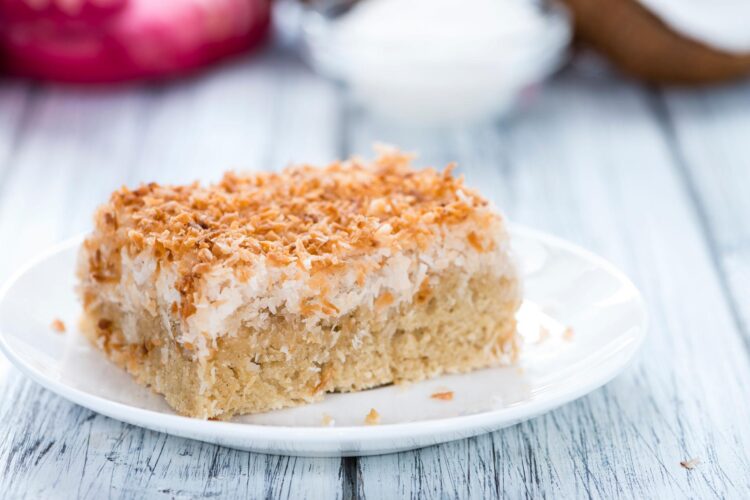
There is something timeless about a coconut cake. It is soft, light, and rich with a tropical flavor that feels both comforting and refreshing. Unlike overly sweet desserts, coconut cake offers a gentle sweetness paired with a creamy texture that melts in your mouth.
For many people, coconut cake brings back memories of celebrations, family gatherings, and homemade treats. Its delicate crumb and fluffy frosting make it perfect for birthdays, festive occasions, or even a simple weekend indulgence.
The beauty of this cake lies in its balance. It is rich without being heavy, sweet without being overwhelming, and flavorful without relying on artificial ingredients. When made properly, a homemade coconut cake can easily match or even surpass bakery-quality desserts.
In this guide, you will learn everything you need to know about making the perfect coconut cake from scratch, including expert baking tips, ingredient selection, and techniques that guarantee soft and moist results.
What Makes Coconut Cake Unique?
Coconut cake stands apart from other cakes because of its layered flavor and texture. Instead of relying on a single ingredient for taste, it uses multiple forms of coconut to build depth.
Coconut milk adds moisture and richness. Shredded coconut provides texture. Coconut extract enhances aroma. Together, they create a cake that tastes authentic and naturally flavorful.
Another unique feature is its texture. A well-made moist coconut cake should feel soft and airy, yet slightly rich due to the coconut content. The frosting adds a creamy contrast that completes the experience.
Why Make Coconut Cake at Home?
Store-bought coconut cakes often rely on artificial flavors and excessive sugar. While they may look appealing, they rarely deliver the same freshness and depth of flavor.
When you bake a coconut cake from scratch, you control the quality of ingredients. You can adjust sweetness, choose fresh coconut products, and ensure a soft, natural texture.
Homemade cakes also allow for creativity. You can customize frosting, add fillings, or adjust flavors to suit your taste.
Key Ingredients for Coconut Cake
A successful coconut cake depends on the right combination of ingredients. Each component plays a specific role in texture and flavor.
The base typically includes flour, sugar, eggs, butter, and a liquid such as coconut milk. Coconut milk is essential because it adds richness and enhances flavor without making the cake too dense.
Shredded coconut is often added to provide texture. It creates a slight chewiness that contrasts beautifully with the soft crumb.
Coconut extract is optional but recommended. It intensifies the flavor and gives the cake a more pronounced coconut aroma.
Understanding Coconut Milk vs Regular Milk
Using coconut milk instead of regular milk changes the character of the cake significantly. Coconut milk adds creaminess and a subtle sweetness that complements the other ingredients.
Regular milk can still be used, but the flavor will be less pronounced. For a true coconut cream cake, coconut milk is the preferred choice.
How to Make Coconut Cake – Step-by-Step
The process of making coconut cake is simple but requires attention to detail.
Start by creaming butter and sugar together until light and fluffy. This step is important because it creates air pockets that help the cake rise.
Next, eggs are added one at a time. This ensures a smooth batter and even texture. Coconut extract can be added at this stage to enhance flavor.
In a separate bowl, dry ingredients such as flour and baking powder are combined. These are gradually added to the wet mixture, alternating with coconut milk.
Once the batter is smooth, shredded coconut is folded in gently. This ensures even distribution without overmixing.
The batter is then poured into prepared cake pans and baked until golden and set.
Perfect Baking Technique
Baking coconut cake requires the right temperature and timing. Too much heat can dry the cake, while too little can leave it undercooked.
The cake should be baked at a moderate temperature until a toothpick inserted in the center comes out clean.
Allow the cake to cool completely before frosting. This prevents the frosting from melting and ensures a clean finish.
Texture of the Perfect Coconut Cake
A perfect coconut cake should feel soft and moist with a slightly fluffy structure. It should not crumble easily, nor should it feel dense.
The presence of coconut should be noticeable but not overpowering. The texture should balance lightness and richness.
Frosting Options for Coconut Cake
Coconut cake pairs beautifully with creamy frostings. The most popular choices include cream cheese frosting, buttercream frosting, and whipped cream frosting.
Cream cheese frosting adds a slight tang that balances sweetness. Buttercream creates a richer, more indulgent finish. Whipped cream offers a lighter alternative.
Some recipes also include coconut-flavored frosting for an extra layer of taste.
Common Mistakes to Avoid
One of the biggest mistakes is overmixing the batter. This can lead to a dense cake instead of a soft one.
Using too much coconut can make the cake heavy. It is important to maintain balance.
Another common issue is overbaking, which dries out the cake. Always monitor baking time carefully.
Using low-quality coconut products can also affect flavor. Fresh and good-quality ingredients make a noticeable difference.
Expert Tips for Best Results
To achieve the best easy coconut cake, use room-temperature ingredients. This helps create a smooth batter and even baking.
Toast shredded coconut lightly before adding it to the cake for a deeper flavor.
Allow the cake to rest after baking. This helps flavors settle and improves texture.
Use cake flour if available, as it creates a softer crumb compared to all-purpose flour.
Coconut Cake vs Vanilla Cake
While vanilla cake relies on simplicity, coconut cake offers a richer and more complex flavor.
Coconut cake tends to be slightly denser due to its ingredients, but it also feels more indulgent. Vanilla cake is lighter and more neutral in taste.
Both are excellent, but coconut cake stands out for its unique character.
Serving Suggestions
Coconut cake can be served in many ways depending on the occasion.
For celebrations, it can be layered and decorated with frosting and coconut flakes. For casual serving, simple slices with minimal frosting work just as well.
It pairs beautifully with tea or coffee and can also be served with fresh fruits for a refreshing touch.
Storage and Shelf Life
Because of its moisture content, coconut cake should be stored properly. If frosted with cream cheese or whipped cream, it should be refrigerated.
It stays fresh for up to three to four days. Before serving, allow it to come to room temperature for the best texture.
Why This Recipe Works
This coconut cake recipe works because it focuses on balance. The combination of coconut milk, shredded coconut, and proper mixing technique ensures a soft and flavorful cake.
The result is a dessert that feels fresh, rich, and satisfying without being overly heavy.
Conclusion
This coconut cake recipe proves that simple ingredients can create a dessert that is both elegant and comforting. With its soft texture, rich coconut flavor, and creamy frosting, it is a cake that suits every occasion.
Once you understand the basic technique, making this cake becomes easy and enjoyable. Whether you are baking for a celebration or simply craving something sweet, coconut cake is always a perfect choice.
Try this recipe and experience the joy of creating a truly delicious homemade cake.
FAQs
1. Why is my coconut cake dry?
It may have been overbaked or lacked enough moisture.
2. Can I use desiccated coconut?
Yes, but soak it slightly for better texture.
3. Can I make it eggless?
Yes, with suitable substitutes.
4. What frosting works best?
Cream cheese or buttercream frosting works well.
5. How long does it last?
Up to four days in the refrigerator.
6. Can I freeze coconut cake?
Yes, without frosting.
7. Why is my cake dense?
Overmixing the batter can cause density.
8. Is coconut cake very sweet?
It is balanced and not overly sweet.
Also Try – Strawberry Cake Recipe – Fresh, Moist & Naturally Flavorful