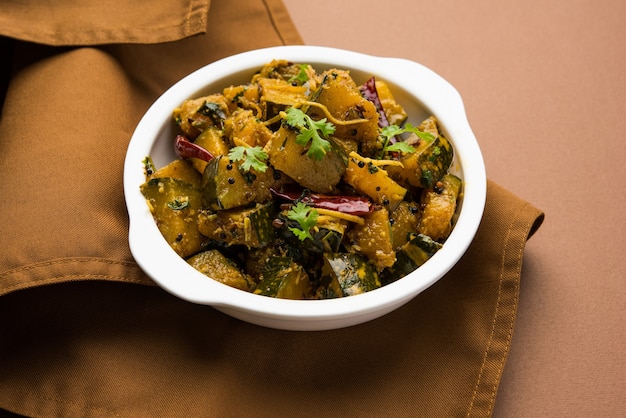
There are some dishes that remind you instantly of home, festivals, and simple comfort. Kaddu ki sabzi is one of them. This humble pumpkin curry may look simple, but its flavor tells a completely different story.
Soft, melt-in-the-mouth pumpkin pieces cooked with a perfect balance of sweetness, tanginess, and mild spice create a dish that is both comforting and satisfying. Whether served with poori during festive meals or with roti for a regular lunch, kaddu sabzi always brings warmth to the table.
Many people underestimate pumpkin as a vegetable. However, when cooked properly, it transforms into a rich and flavorful curry that feels both traditional and special.
In this detailed guide, you will learn exactly how to make kaddu ki sabzi with perfect texture, balanced taste, and authentic Indian flavors. You will also discover expert tips, variations, and techniques to make this dish truly stand out.
What Is Kaddu Ki Sabzi?
Kaddu ki sabzi is a North Indian-style pumpkin curry made using ripe yellow pumpkin, spices, and simple cooking techniques.
Unlike heavy gravies, this dish is usually semi-dry or lightly saucy. It is known for its unique combination of flavors — slightly sweet, mildly spicy, and gently tangy.
This balance makes it different from most vegetable curries.
Why Kaddu Ki Sabzi Is So Popular
Kaddu sabzi is widely loved because it is easy to prepare, budget-friendly, and incredibly flavorful.
It is also a common dish during religious fasting days and festive meals, especially when served with poori.
Its popularity comes from:
• Natural sweetness of pumpkin
• Quick cooking time
• Simple ingredients
• Unique sweet-spicy-tangy taste
It is a perfect example of how simple ingredients can create delicious results.
Ingredients for Kaddu Ki Sabzi
Main Ingredients
• Ripe pumpkin (kaddu)
• Green chilies
• Ginger
• Oil
Spices
• Cumin seeds
• Turmeric powder
• Red chili powder
• Coriander powder
• Salt
Flavor Enhancers
• Amchur (dry mango powder) or tamarind
• Jaggery or sugar
• Fresh coriander leaves
These ingredients work together to create the signature taste of indian pumpkin sabzi.
Choosing the Right Pumpkin
The quality of pumpkin plays a major role in the final dish.
Choose pumpkin that is bright orange or yellow inside. It should feel firm and not watery.
Sweeter pumpkin varieties work best for this recipe because they enhance the natural flavor.
Avoid overly fibrous or pale pumpkins.
Understanding the Flavor Profile
Kaddu ki sabzi is known for its unique taste combination.
It should be:
• Slightly sweet from pumpkin
• Mildly spicy from chilies
• Tangy from amchur or tamarind
The key is balance. No single flavor should dominate.
Step-by-Step Guide to Making Kaddu Ki Sabzi
Step 1: Preparing the Pumpkin
Peel the pumpkin and remove seeds. Cut into medium-sized cubes.
Uniform pieces ensure even cooking.
Step 2: Tempering the Spices
Heat oil in a pan and add cumin seeds. Let them crackle to release aroma.
Add green chilies and ginger for extra flavor.
Step 3: Cooking the Pumpkin
Add pumpkin pieces to the pan. Stir well so they are coated with oil and spices.
Add turmeric, chili powder, and coriander powder.
Cover and cook on low heat. Pumpkin releases water as it cooks.
Step 4: Balancing the Taste
Once pumpkin becomes soft, add salt, jaggery, and amchur.
Mix gently. The jaggery enhances sweetness while amchur adds tanginess.
Step 5: Final Cooking
Cook uncovered for a few minutes until the sabzi thickens slightly.
Garnish with fresh coriander.
Your kaddu ki sabzi recipe is ready.
Texture of Perfect Kaddu Sabzi
The pumpkin should be soft but not mushy.
The sabzi should be slightly thick and coated with masala.
It should not be watery.
Achieving the right texture is essential for authentic taste.
Common Mistakes to Avoid
One common mistake is overcooking pumpkin, which makes it too mushy.
Another mistake is adding too much water. Pumpkin already contains moisture.
Adding too much sugar can overpower the dish.
Cooking on low heat helps maintain texture.
Expert Tips for Best Results
Use a heavy-bottomed pan to prevent burning.
Cook pumpkin slowly to enhance natural sweetness.
Add tangy ingredients at the end for better flavor balance.
Avoid stirring too frequently, as pumpkin can break.
Kaddu Ki Sabzi Variations
Dry Kaddu Sabzi
Cook until moisture evaporates completely. Ideal for lunchboxes.
Banarasi Style Kaddu
Includes more sweetness and stronger tangy flavor.
Satvik Kaddu Sabzi
Made without onion and garlic, perfect for fasting days.
Each variation offers a slightly different experience while keeping the essence intact.
Kaddu Sabzi vs Pumpkin Curry
Kaddu sabzi is usually simpler and semi-dry.
Pumpkin curry may include more gravy and spices.
Both use similar ingredients but differ in consistency.
Health Benefits of Pumpkin
Pumpkin is rich in vitamins A and C, fiber, and antioxidants.
It supports eye health, digestion, and immunity.
When cooked with minimal oil, pumpkin curry recipe becomes a healthy addition to meals.
Is Kaddu Ki Sabzi Healthy?
Yes, it is light, nutritious, and easy to digest. It contains natural sweetness and requires minimal oil. This makes it suitable for everyday meals.
Serving Suggestions
Kaddu ki sabzi pairs beautifully with:
• Poori
• Roti
• Paratha
• Dal and rice
During festivals, it is often served with poori and kachori.
Storage and Reheating
Store in airtight container in refrigerator for up to two days.
Reheat gently on stove.
Add a splash of water if needed.
Why Homemade Kaddu Sabzi Is Better
Homemade kaddu sabzi uses fresh ingredients and balanced spices.
Restaurant versions are rare, making homemade preparation more authentic.
It also allows control over sweetness and spice levels.
Troubleshooting Guide
If sabzi is too sweet, add a pinch of salt or chili powder.
If too tangy, add a little jaggery.
If watery, cook uncovered to reduce moisture.
Small changes can fix the dish easily.
Conclusion
This kaddu ki sabzi recipe shows how a simple vegetable can be transformed into a flavorful and comforting dish.
With its unique balance of sweet, spicy, and tangy flavors, kaddu sabzi remains a timeless favorite in Indian kitchens.
Once you master the technique, this dish becomes one of the easiest and most satisfying recipes to prepare.
Try making it at home and enjoy a classic indian pumpkin sabzi that brings warmth and tradition to your plate.
FAQs
1. Why is my kaddu sabzi mushy?
It may have been overcooked.
2. Can I skip jaggery?
Yes, but it affects flavor balance.
3. Is kaddu sabzi spicy?
It is mildly spicy and adjustable.
4. Can I make it without oil?
Yes, but flavor may reduce.
5. How long does it last?
Up to two days refrigerated.
6. Can I add onion and garlic?
Traditional versions usually skip them.
7. Which pumpkin is best?
Sweet, ripe yellow pumpkin works best.
8. Can beginners cook it?
Yes, it is very beginner-friendly.