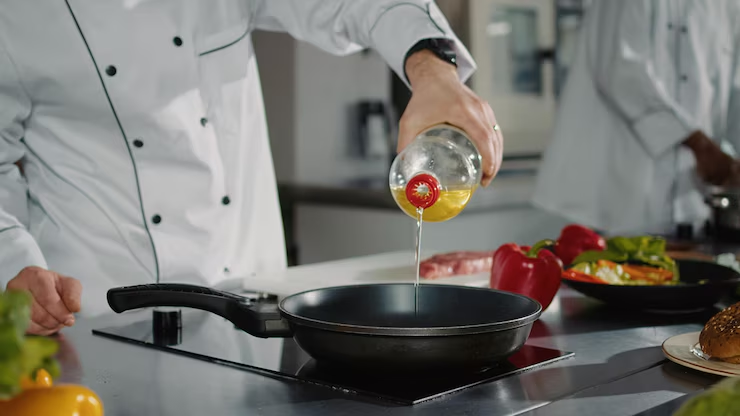
Oil is a staple ingredient in most kitchens, especially in Indian cooking. However, excessive oil consumption can lead to weight gain, high cholesterol, heart diseases, and other health issues. The good news? You don’t have to compromise on taste while reducing oil in your daily meals.
In this article, we will explore practical and easy ways to cut down on oil usage without affecting the flavor and texture of your favorite dishes.
Why Should You Reduce Oil in Cooking?
Before jumping into the methods, let’s understand why minimizing oil usage is essential:
✅ Heart Health – Too much oil, especially refined and hydrogenated oils, increases the risk of heart disease.
✅ Weight Management – Oils are calorie-dense; consuming less oil helps in weight control.
✅ Better Digestion – Oily food can cause bloating, acidity, and indigestion.
✅ Lowers Cholesterol – Reducing oil in cooking can help maintain healthy cholesterol levels.
10 Effective Ways to Reduce Oil in Everyday Cooking
1. Use Non-Stick Cookware 🍳
A non-stick pan or ceramic-coated cookware reduces the need for excess oil while cooking. It prevents food from sticking, allowing you to use just a few drops of oil instead of tablespoons.
🔹 Example: While making dosa or pancakes, a non-stick tawa lets you use minimal oil while getting crispy results.
2. Opt for Healthier Cooking Methods
Instead of deep-frying, try these healthier alternatives:
✔ Steaming – Ideal for vegetables, dumplings, and idlis.
✔ Grilling & Roasting – Works great for meats, paneer, and vegetables.
✔ Baking – Perfect for samosas, fries, and even pakoras.
✔ Air-Frying – Uses hot air circulation to cook crispy snacks with 80% less oil.
🔹 Example: Instead of deep-frying aloo tikki, bake it in an oven or use an air fryer for a crispy texture.
3. Water or Broth Sautéing Instead of Oil 🍲
Replace oil with water, vegetable broth, or coconut milk when sautéing onions, garlic, or vegetables. This method keeps the dish flavorful while cutting down unnecessary fat.
🔹 Example: While making curries, start by sautéing onions and tomatoes in vegetable broth instead of oil.
4. Measure Your Oil Instead of Pouring Freely 🥄
Instead of pouring oil directly from the bottle, use a measuring spoon. This ensures controlled oil consumption and prevents excessive usage.
🔹 Tip: Stick to 1-2 teaspoons per dish instead of pouring freely.
5. Use Oil Sprays for Even Distribution 🌟
Oil sprays allow you to lightly coat the pan instead of using spoonfuls of oil. This method is particularly useful for stir-frying and roasting.
🔹 Example: While making rotis, use an oil spray instead of brushing ghee for a healthier alternative.
6. Choose Healthier Oils 🏆
Not all oils are unhealthy! Instead of refined vegetable oils, choose healthier alternatives such as:
✔ Cold-pressed oils (Mustard, Olive, Coconut)
✔ Ghee in moderation (Rich in good fats)
✔ Flaxseed oil (For salads and chutneys)
🔹 Example: Instead of refined sunflower oil, use cold-pressed mustard oil for Indian curries.
7. Increase Natural Moisture with Tomatoes & Yogurt 🍅
Many Indian dishes require a thick gravy, which can be achieved using tomatoes, yogurt, and pureed vegetables instead of excessive oil.
🔹 Example: Use tomato puree and curd while making paneer butter masala to get a creamy texture with minimal oil.
8. Cook on Low Heat for Enhanced Flavor & Less Oil 🔥
Cooking at low to medium heat prevents food from sticking to the pan, reducing the need for extra oil. This technique enhances the natural flavors of ingredients.
🔹 Example: Slow-cook dals and curries on low heat instead of adding extra oil for flavor.
9. Use Nut & Seed Pastes for Healthy Fats 🌰
Instead of excessive oil, use almond paste, cashew paste, or sesame seed paste to add creaminess and richness to dishes.
🔹 Example: In Mughlai curries, replace excess oil with cashew paste for a silky texture.
10. Drain Excess Oil with Kitchen Towels 🧻
If deep-frying is unavoidable, always drain excess oil using a paper towel to absorb extra fat.
🔹 Example: After frying pakoras or puris, place them on an absorbent paper towel to remove excess oil.
Bonus Tips for Cooking with Less Oil
✔ Add Spices & Herbs – Spices like turmeric, cumin, and coriander add flavor without the need for excess oil.
✔ Marinate Before Cooking – Marinating meats and veggies with yogurt or lemon enhances taste with less oil.
✔ Use Whole Ingredients – Whole tomatoes, onions, and ginger add natural moisture, reducing oil needs.
Conclusion
Reducing oil usage in cooking doesn’t mean sacrificing taste or texture. By using non-stick cookware, healthier cooking methods, broth sautéing, and oil alternatives, you can make delicious meals without excess fat. Small changes in everyday cooking can lead to better heart health, weight control, and an overall healthy lifestyle.
Are you ready to make a change? Try these tips today and enjoy healthier meals without guilt!