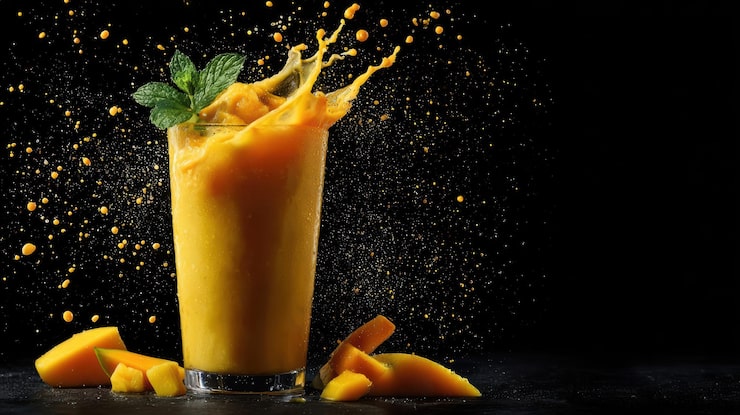
Close your eyes and imagine a scorching afternoon in Delhi. The air shimmers. Auto-rickshaws honk. And then — a tall, chilled glass of mango lassi lands on the table in front of you. Golden, thick, fragrant with cardamom and the unmistakable sweetness of Alphonso mangoes. One sip, and the whole world slows down.
That’s the magic of mango lassi.
This iconic Indian mango drink has been quenching thirsts for centuries. It’s not just a beverage — it’s a cultural institution. From the roadside dhabas of Amritsar to the brunch menus of New York and London, mango lassi has crossed every border with a smile. And the best part? Making the perfect homemade mango lassi is far simpler than you think.
Whether you’re a first-timer or a seasoned lassi lover looking to upgrade your recipe, this guide covers everything — the authentic recipe, regional variations, health benefits, expert tips, and answers to every question you’ve ever had about this beloved drink.
What Is Mango Lassi? (And Why It’s So Special)
Mango lassi is a blended yogurt drink made primarily with ripe mangoes and dahi (Indian yogurt). The word “lassi” comes from the Punjabi language and refers to a chilled, whipped yogurt-based drink — one of the oldest refreshments in the Indian subcontinent.
Traditional lassi predates the mango version by hundreds of years. Plain lassi, sweet or salted, has been a staple in Punjab since at least the 16th century. The mango twist came later, as India’s abundance of alphonso, kesar, and totapuri mangoes made the seasonal addition irresistible.
Today, mango lassi has become one of the most searched Indian recipes globally, and for good reason:
- It takes under 5 minutes to make
- It requires just 4–5 ingredients
- It’s naturally rich in probiotics, vitamins, and minerals
- It’s versatile — vegan-friendly, protein-rich, or indulgent versions all exist
- It doubles as a meal replacement or a dessert
The Classic Mango Lassi Recipe (Authentic & Easy)
Ingredients (Serves 2)
| Ingredient | Quantity | Notes |
|---|---|---|
| Ripe mango pulp | 1 cup (about 2 medium mangoes) | Alphonso or Kesar for best flavor |
| Full-fat yogurt (dahi) | 1 cup | Chilled, preferably thick/hung |
| Cold milk | ½ cup | Adjust for desired thickness |
| Sugar or honey | 2–3 tbsp | To taste |
| Cardamom powder | ¼ tsp | For authentic aroma |
| Ice cubes | 4–6 | Optional |
| Saffron strands | A pinch | Optional garnish |
| Rose water | ½ tsp | Optional, for floral notes |
Step-by-Step Instructions
Step 1: Prepare the Mango Peel and dice two ripe mangoes. If using Alphonso or Kesar variety, simply scoop the pulp. Frozen mango chunks work brilliantly out of season — thaw them slightly before blending.
Step 2: Blend Everything Together Add mango pulp, yogurt, cold milk, sugar, and cardamom to a blender. Blend on high for 60–90 seconds until completely smooth and frothy.
Step 3: Taste and Adjust This step matters more than most people realize. Taste the blend. Need more sweetness? Add honey. Too thick? Splash in more milk. Too tangy? A touch more sugar or mango balances it perfectly.
Step 4: Serve Right Pour into tall glasses over ice. Garnish with a pinch of saffron, a sliver of fresh mango, or a light dusting of cardamom. Serve immediately for maximum freshness and froth.
Choosing the Right Mango: The Single Most Important Decision
Ask any Indian grandmother, and she’ll tell you the same thing: the mango makes the lassi.
Best Mango Varieties for Lassi
- Alphonso (Hapus): The undisputed king. Rich, creamy, intensely sweet with a hint of tartness. The gold standard for mango lassi.
- Kesar: Slightly less intense than Alphonso but deeply aromatic. Widely available across Gujarat and the Middle East.
- Totapuri: Tangier and less sweet, this variety creates a more balanced lassi — great if you prefer less sugar.
- Ataulfo (Honey Mango): A Mexican variety that works surprisingly well — buttery texture and low fiber.
- Frozen Mango: A perfectly acceptable substitute when fresh mangoes are out of season. Look for unsweetened frozen mango chunks.
Pro tip: Avoid Tommy Atkins mangoes (the common US supermarket variety) for lassi — they’re fibrous, less sweet, and lack the rich depth that makes this drink special.
Mango Lassi Variations Worth Trying
Once you’ve nailed the classic, the world of mango lassi opens up beautifully. Here are variations that are genuinely worth exploring:
1. Vegan Mango Lassi
Replace dairy yogurt with coconut yogurt or almond milk yogurt. Use oat milk instead of regular milk. The result is lighter and has a subtle tropical twist that complements the mango beautifully.
2. Protein-Packed Mango Lassi
Add one scoop of vanilla or unflavored protein powder, or blend in 2 tablespoons of hemp seeds. This turns your mango lassi into a post-workout recovery drink with 20–25g of protein per serving.
3. Mango Lassi Smoothie Bowl
Reduce the milk quantity significantly to create an ultra-thick blend. Pour into a bowl and top with granola, chia seeds, sliced fresh mango, and a drizzle of honey. Breakfast goals — achieved.
4. Spiced Mango Lassi
Add a pinch of black salt (kala namak), a tiny piece of fresh ginger, and a whisper of cumin powder. This version is closer to traditional Indian roadside lassi — complex, savory-sweet, and absolutely addictive.
5. Frozen Mango Lassi (Slushie Style)
Blend with extra ice or use frozen mango for a slushie-like texture. Perfect for extreme summer heat. Kids love this one.
6. Mango Lassi Cheesecake
Yes, really. The lassi flavor profile translates beautifully into a no-bake cheesecake filling — just blend cream cheese with mango lassi base and set over a digestive biscuit crust. A showstopper dessert hiding in plain sight.
Health Benefits of Mango Lassi: Delicious AND Nutritious
Mango lassi isn’t just a treat — it’s genuinely good for you (in moderation, like most things). Here’s what a standard serving delivers:
Nutritional Profile (Per Serving, ~300ml)
| Nutrient | Approximate Amount |
|---|---|
| Calories | 220–280 kcal |
| Protein | 7–9g |
| Carbohydrates | 40–45g |
| Fat | 5–8g |
| Calcium | 25–30% Daily Value |
| Vitamin C | 20–25% Daily Value |
| Potassium | 400–500mg |
| Probiotics | Significant (live cultures) |
Key Health Benefits
Gut Health Champion The yogurt base in mango lassi is loaded with live probiotic cultures — Lactobacillus and Bifidobacterium strains that support a healthy gut microbiome, improve digestion, and may reduce bloating. In Ayurvedic tradition, lassi has been consumed after meals specifically for its digestive benefits.
Natural Electrolyte Drink Mangoes are rich in potassium, and combined with the sodium in yogurt and natural sugars, mango lassi functions as a natural electrolyte replenisher — ideal after physical activity or in hot climates.
Bone Strength Full-fat yogurt provides significant calcium and phosphorus — both critical for bone density. A single serving can provide nearly 30% of your daily calcium needs.
Immunity Support Mangoes are among the richest fruit sources of Vitamin C and beta-carotene (Vitamin A precursor), both of which support immune function and skin health.
Cooling Effect (Ayurvedic Insight) Ayurveda classifies mango lassi as a “cooling” food — one that reduces internal body heat (Pitta). This is why it’s traditionally consumed during summer months and after spicy meals.
Important note: If you’re watching sugar intake or are lactose-sensitive, opt for lower-sugar versions using honey and lactose-free yogurt.
Expert Tips for the Best Mango Lassi Every Time
These are the small details that separate a good mango lassi from a truly great one:
- Use cold ingredients throughout. Chilled yogurt + cold milk + cold mango = naturally cold lassi without watering it down with too much ice.
- Thick yogurt = thick lassi. Use hung curd (strained yogurt) for a richer, creamier texture. Greek yogurt is an excellent substitute.
- Don’t over-blend. 60–90 seconds is enough. Over-blending can make it foamy and warm.
- Add cardamom last. Cardamom is volatile — adding it right before blending preserves its aroma better.
- Sweeten with ripe mango, not just sugar. The riper your mango, the less sugar you need. Let the fruit do the work.
- Saffron makes it luxurious. Soak a pinch of saffron in 1 tablespoon of warm milk for 5 minutes, then drizzle over the top. The color and aroma elevate the drink dramatically.
- For restaurant-style froth: Blend at high speed for the last 15 seconds with the lid slightly open (carefully) to incorporate air — or use a hand frother separately.
Mango Lassi vs. Other Mango Drinks: How Does It Compare?
| Drink | Base | Texture | Calories | Best For |
|---|---|---|---|---|
| Mango Lassi | Yogurt + Milk | Creamy, thick | 220–280 | Meal companion, gut health |
| Mango Smoothie | Milk/Juice | Smooth | 180–250 | Quick breakfast |
| Mango Milkshake | Ice cream + Milk | Very thick, sweet | 350–450 | Dessert |
| Mango Juice | Just mango | Thin, watery | 120–160 | Hydration, simplicity |
| Aam Panna | Raw mango + spices | Tangy, watery | 60–90 | Heat stroke prevention |
Mango lassi wins the balance game — it’s thicker and more nutritious than juice, lighter and more digestive than a milkshake, and far more flavourful than a plain smoothie.
The Cultural Story Behind Mango Lassi
Understanding mango lassi means understanding a little about India itself.
Lassi originated in Punjab — the agrarian heartland straddling modern-day India and Pakistan. Dairy has been central to Punjabi culture for millennia, and yogurt (dahi) was the practical byproduct of every household that kept buffaloes or cows. Churning leftover dahi with water and spices gave birth to plain lassi — a drink that could cool a farmer in the peak of summer and provide energy through hard physical work.
As mango cultivation flourished across the subcontinent — India is the world’s largest mango producer, accounting for roughly 40% of global mango output — it was only natural that the two would meet.
The mango lassi we know today became especially popular in the 20th century as commercial yogurt and mango pulp became widely accessible. It spread beyond Punjab to every Indian state, adapted to local palates (more cardamom in the north, more saffron in Gujarat, thinner and lighter in the south).
Today, it occupies a unique cultural space: equally at home in a five-star hotel brunch buffet and a roadside stall charging twenty rupees a glass.
How to Store Mango Lassi (And How Long It Lasts)
Mango lassi is best consumed immediately — the froth is freshest, the flavor is brightest, and the probiotics are most active.
That said, you can store it:
- Refrigerator: Up to 24 hours in a sealed container. Stir or shake well before drinking — separation is natural and doesn’t mean it’s gone bad.
- Freezer: Freeze in popsicle molds for mango lassi popsicles. Brilliant idea, genuinely delicious.
- Not recommended: Storing for more than 24 hours. The yogurt’s acidity intensifies and the mango flavor begins to oxidize, giving a slightly “off” taste.
Conclusion: Make It, Taste It, Share It
There’s a reason mango lassi has endured for centuries and crossed every cultural boundary with grace. It’s simple, it’s satisfying, and it tastes exactly like warm weather and good memories should taste.
Now that you have the complete recipe, the expert tips, the variations, and the why behind every step — there’s only one thing left to do.
Grab the ripest mangoes you can find, pull out your blender, and make a glass (or two).
Ready to explore more Indian drink recipes, meal ideas, and food culture deep-dives? Bookmark this page, share it with someone who loves mangoes, and drop your mango lassi tips in the comments below. We’d love to hear your version of the perfect glass.
Frequently Asked Questions (FAQs)
Q1: Can I make mango lassi without a blender?
Yes! Use a hand whisk or immersion blender. Mash very ripe mango pulp with a fork until smooth, then whisk vigorously with yogurt and milk. It won’t be as silky, but it works well when mango is very ripe and soft.
Q2: Is mango lassi good for weight loss?
In moderation, yes. Full-fat yogurt provides satiety and protein that curbs hunger. However, mango lassi does contain natural sugars and calories, so watch portion sizes. Use less sugar, Greek yogurt, and skip the ice cream versions if you’re calorie-conscious.
Q3: What’s the difference between mango lassi and a mango smoothie?
The key difference is the yogurt base. Mango lassi uses dahi (yogurt) as its primary ingredient, giving it a tangy, probiotic-rich, creamy profile. A mango smoothie typically uses milk, juice, or plant milk — resulting in a sweeter, milder drink without the probiotic benefit.
Q4: Can I use canned mango pulp instead of fresh mangoes?
Absolutely. In fact, canned Alphonso mango pulp (brands like Kesar or Ratna) is widely used in Indian restaurants and produces consistently excellent results. Look for unsweetened varieties and reduce added sugar accordingly, as canned pulp tends to be naturally sweet.
Q5: Is mango lassi suitable for people who are lactose intolerant?
Traditional mango lassi contains dairy. However, because yogurt is fermented, much of the lactose is already broken down — making it better tolerated than milk for many lactose-sensitive individuals. For complete avoidance, use coconut yogurt and oat milk for a delicious dairy-free version that’s equally satisfying.