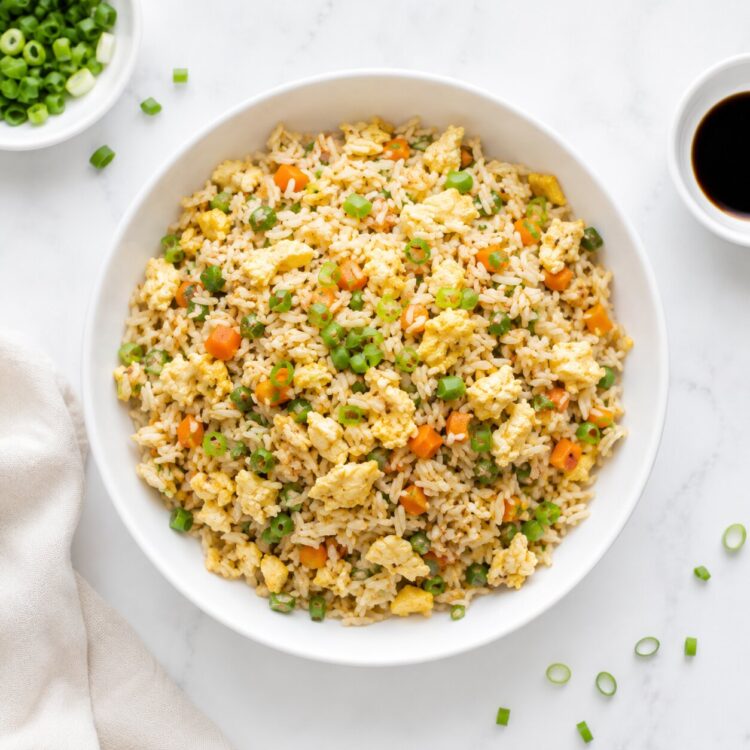
Let’s be honest — there’s a very specific kind of craving that nothing but egg fried rice can satisfy. It’s not the kind of hunger that needs a three-course meal or a slow-simmered curry. It’s the 7 PM weeknight hunger, the “I have leftover rice and no plan” hunger, the “I just need something hot and good in the next 20 minutes” hunger.
And egg fried rice delivers. Every. Single. Time.
This dish is one of the most searched recipes on the internet for good reason. According to Google Trends, “egg fried rice recipe” consistently peaks among the top 10 food searches in India monthly — and with over 200,000 searches per month, it’s clear this isn’t just a comfort food. It’s practically a national habit.
But here’s what most home cooks get wrong: they treat egg fried rice like a simple toss-together dish and end up with soggy, clumpy, flavorless rice. Making genuinely great egg fried rice — the kind with separate, slightly smoky grains, perfectly cooked eggs, and that unmistakable wok flavor — takes understanding a handful of key techniques that most recipes skip entirely.
This guide covers everything. The right rice. The right pan. The order of ingredients. The sauces. The egg technique. Every detail that separates good fried rice from extraordinary fried rice.
What Is Egg Fried Rice? A Brief Background
Egg fried rice traces its origins to Chinese cuisine, where stir-fried rice dishes have been a staple for over a thousand years. The dish was originally a practical solution — a way to use up leftover rice and transform it into something more nourishing with eggs and aromatics.
In India, egg fried rice evolved into its own distinct identity through the Indo-Chinese culinary tradition, pioneered by the Chinese immigrant community in Kolkata in the 19th century. Indian fried rice is bolder than its Chinese counterpart — more garlic, more chili, more soy sauce, and often the addition of green chili sauce or vinegar for that characteristic tangy-spicy kick.
Today, what most Indians mean when they say “egg fried rice” is this Indo-Chinese version: fragrant, slightly smoky, well-seasoned rice with visible scrambled egg pieces, spring onions, mixed vegetables, and a generous hand with soy sauce. It’s the version served at every roadside Chinese stall, every dhaba with a Chinese menu, and every college canteen across the country.
The Golden Rule: Day-Old Rice Is Non-Negotiable
Before you look at a single ingredient, understand this rule: freshly cooked rice will ruin your fried rice.
Fresh rice is full of moisture. When you add it to a hot pan, the steam released causes the grains to stick together, creating a gluey mass that no amount of stirring will fix. The result is a heavy, clumped dish that bears no resemblance to the light, separate grains you get at a restaurant.
Day-old rice (stored uncovered or loosely covered in the refrigerator overnight) has had time to dry out. The individual grains are firm, separate, and slightly dehydrated — which means they fry rather than steam when they hit the hot oil. This is the difference between fried rice and steamed rice accidentally warmed up with eggs.
What if you only have fresh rice?
If you’re in a time crunch, spread freshly cooked rice on a wide tray or baking sheet in a single layer. Place it in front of a fan or in the refrigerator (uncovered) for 30-60 minutes. It won’t be quite as good as overnight rice, but it’s dramatically better than using rice straight out of the pot.
Best rice varieties for egg fried rice:
- Long-grain basmati — the standard choice in Indian homes; separate grains, aromatic
- Regular long-grain white rice — works very well; neutral flavor lets the seasonings shine
- Jasmine rice — slightly stickier but excellent flavor; common in restaurant-style versions
- Avoid short-grain or sushi rice — too starchy and will clump no matter what
Full Ingredients List (Serves 3–4)
Rice Base
- 2 cups cooked rice, day-old (refrigerated overnight) — about 3 cups once cooked
- 3 large eggs
- 3 tablespoons neutral oil (sunflower, refined coconut, or light sesame)
Aromatics
- 5–6 garlic cloves, finely minced
- 1-inch piece of fresh ginger, finely minced or grated
- 2–3 green chilies, finely chopped (adjust to taste)
- 1 medium onion, finely diced
- 4–5 spring onions (scallions), white and green parts separated, sliced thin
Vegetables (choose any combination)
- ½ cup carrot, finely diced or julienned
- ½ cup green beans or capsicum, finely diced
- ½ cup green peas (fresh or frozen)
- ¼ cup sweet corn (optional)
- ½ cup cabbage, finely shredded (optional — adds great texture)
Sauces & Seasoning
- 2.5 tablespoons soy sauce (dark or regular — not low-sodium)
- 1 tablespoon green chili sauce (or sriracha)
- 1 teaspoon white vinegar (adds the signature Indo-Chinese tang)
- 1 teaspoon sesame oil (added at the very end — for aroma only, not for frying)
- ½ teaspoon black pepper, freshly ground
- Salt to taste (go easy — soy sauce is already very salty)
Optional But Recommended
- 1 tablespoon oyster sauce (adds umami depth)
- ½ teaspoon MSG or ¼ teaspoon Aji-no-moto (the real secret behind restaurant flavor)
- 1 teaspoon butter (added with sesame oil at the end for richness)
Equipment: Why the Pan Matters More Than You Think
The single biggest difference between home fried rice and restaurant fried rice is heat. Restaurant woks get to 300–400°C. Your home stove cannot match that. But you can come closer than you think with the right equipment and technique.
Best pan options:
- Carbon steel wok — the ideal choice; heats up faster and retains heat better than anything else
- Cast-iron skillet — excellent heat retention; the closest to wok results on a home stove
- Large heavy-bottomed stainless steel pan — acceptable; preheat it thoroughly
- Non-stick pan — avoid for fried rice; it can’t get hot enough and the coating prevents the slight char that defines great fried rice
The Preheating Rule: Heat your wok or pan for a full 3–4 minutes over maximum heat before adding any oil. The pan should be visibly smoking slightly when you add the oil. This is not optional — it’s what prevents sticking and creates flavor.
How to Make Egg Fried Rice: Step-by-Step
Step 1 — Prep Everything Before You Start
Fried rice moves at high speed. Once the pan is hot, you cannot walk away to chop something. Have every ingredient measured, chopped, and arranged in individual bowls before you turn on the stove.
Remove the day-old rice from the refrigerator 15 minutes before cooking. Break up any large clumps with your fingers or a fork. The grains should be loose and separate before they go into the pan.
Beat the 3 eggs in a small bowl with a pinch of salt and a crack of black pepper. Whisk until completely combined with no visible streaks of white.
Step 2 — Scramble the Eggs (The Right Way)
Heat your pan over high heat until very hot. Add 1 tablespoon of oil and swirl it around the pan. Pour in the beaten eggs immediately.
Here’s the critical technique: do not stir immediately. Let the eggs set on the bottom for 10–15 seconds, then use your spatula to break them into large, irregular pieces. Stop cooking while they still look slightly underdone — wet and glossy, not dry and firm. They will continue cooking from residual heat.
Remove the eggs from the pan and set aside.
Why this matters: Overcooked eggs turn rubbery and lose their fluffy texture. You want the eggs to still be slightly soft when they come out — they’ll finish cooking in the final stir-fry step and end up perfectly tender.
Step 3 — Fry the Aromatics
Add another tablespoon of oil to the same hot pan. Add the minced garlic and ginger simultaneously — they go in together, not separately.
Stir-fry for exactly 30–45 seconds over maximum heat. The garlic should be golden but not brown — the line between toasted and burnt is thin and fast at this temperature. You should smell a deep, nutty garlic fragrance rising from the pan.
Add the green chilies and the white parts of the spring onions. Stir for another 30 seconds.
Step 4 — Cook the Vegetables
Add the diced onion first and stir-fry for 2 minutes until it begins to soften and get slight color at the edges. Then add the harder vegetables — carrots and green beans — and stir-fry for another 2 minutes.
Add the softer vegetables (peas, corn, cabbage) and stir-fry for 1 more minute.
The vegetables should be cooked but still have bite. Mushy vegetables are the enemy of good fried rice. High heat, constant movement, and short cooking times are what keep them bright-colored and slightly crisp.
Push the vegetables to the side of the wok or pan, creating a clear space in the center.
Step 5 — The Rice Goes In
Add the final tablespoon of oil to the center of the pan. Add the rice and spread it in as even a layer as possible. Let it sit undisturbed for 45–60 seconds. This contact time is critical — it allows the bottom layer of rice to develop a very light toasted crust, which is where the smoky flavor comes from.
Now stir vigorously, breaking up any clumps and mixing the rice through the vegetables. Continue stir-frying for 2–3 minutes until the rice is thoroughly heated and every grain has been coated in the flavorful oil from the pan.
Step 6 — Add the Sauces
Make a small well in the center of the rice by pushing it to the sides. Pour the soy sauce, green chili sauce, and white vinegar directly onto the hot pan surface — not onto the rice. The direct contact with the hot metal slightly caramelizes the sauces and develops their flavor before you mix them in.
Immediately stir everything together so the sauces coat every grain of rice evenly. Add salt and black pepper to taste. If using oyster sauce or MSG, add them now.
Stir-fry for another 60 seconds on maximum heat.
Step 7 — Add the Eggs Back and Finish
Return the reserved scrambled egg pieces to the pan. Fold them gently into the rice — don’t break them up too finely. You want visible chunks of egg throughout the rice, not small dusty specks.
Turn off the heat. Add the sesame oil and butter (if using) and stir through. The sesame oil is added off-heat to preserve its aromatic compounds — cooking it destroys what makes it special.
Scatter the green parts of the spring onions across the top and serve immediately.
The Indo-Chinese Flavour Secret: What Makes Restaurant Fried Rice Taste Different
If you’ve ever wondered why restaurant egg fried rice has that particular depth of flavor that’s hard to pin down, here are the three things most recipes don’t tell you:
The “Wok Hei” Effect
Wok hei — literally “breath of the wok” in Cantonese — is the slightly smoky, charred flavor that develops when food is cooked at extremely high temperature in a seasoned wok. You can partially replicate this at home by:
- Using maximum flame on a gas stove (not induction — induction doesn’t produce enough heat)
- Working in small batches so the pan temperature doesn’t drop when cold ingredients are added
- Allowing brief contact time between rice and pan surface without stirring
MSG — The Honest Truth
Almost every Chinese restaurant uses MSG (monosodium glutamate). It’s a naturally occurring flavor compound found in tomatoes, mushrooms, and parmesan cheese. A pinch of MSG (or Aji-no-moto, which is the same thing under a different brand name) added to fried rice produces that restaurant-specific umami depth that no combination of soy sauce alone can replicate. It’s safe, widely used, and the honest answer to “why does it taste different when I make it.”
Mixing Sauces
Most restaurant fried rice uses a blend of dark soy sauce (for color and depth), light soy sauce (for saltiness), and green chili sauce (for heat and tang). Using only one type of soy sauce produces a flatter flavor. The combination creates the layered, complex taste that feels restaurant-quality.
Variations to Try
Classic Egg Fried Rice — The base recipe as described above. Perfect as written.
Egg and Chicken Fried Rice — Add 100g of cooked, shredded chicken breast to the vegetables. Toss it in with the rice.
Egg and Prawn Fried Rice — Add 100g of cleaned prawns after the aromatics. Stir-fry for 2 minutes until pink, then proceed with the recipe.
Spicy Schezwan Egg Fried Rice — Replace the green chili sauce with 2 tablespoons of homemade or store-bought Schezwan sauce. Bold, fiery, and deeply aromatic.
Egg Fried Rice for Kids — Reduce green chilies to zero. Use just soy sauce and a touch of butter. Add sweet corn and peas. Kids eat it without a fight.
Healthier Version — Use brown rice or cauliflower rice. Replace one whole egg with two egg whites. Use 1 tablespoon of oil instead of 3. The flavor is lighter but the technique remains the same.
Common Mistakes and How to Fix Them
| Mistake | Why It Happens | How to Fix It |
|---|---|---|
| Soggy, clumped rice | Fresh rice used; too much liquid | Always use day-old rice; dry it out if fresh |
| Bland flavor | Sauce added too timidly | Be generous with soy sauce; add it to hot pan surface first |
| Rubbery eggs | Overcooked before adding to rice | Pull eggs out while still slightly underdone |
| Burnt garlic | Oil not hot enough before adding garlic | Get oil smoking hot; stir garlic constantly |
| Mushy vegetables | Overcooked or overcrowded pan | High heat, small batches, short cooking time |
| No wok hei flavor | Pan too cold or too much rice at once | Use maximum heat; cook in two batches if needed |
Nutrition Information (Per Serving, Approximate — 1 of 4)
| Nutrient | Amount |
|---|---|
| Calories | ~320–380 kcal |
| Protein | 12–14g |
| Carbohydrates | 48g |
| Fat | 10–12g |
| Fiber | 3g |
| Iron | 2.5mg (14% DV) |
| Vitamin A | 35% DV (from carrots) |
Eggs provide complete protein with all 9 essential amino acids, making this dish significantly more nutritious than plain rice. Adding vegetables increases fiber, vitamins, and antioxidants without meaningfully changing the calorie count.
Storage and Reheating
- Refrigerator: Store cooled egg fried rice in an airtight container for up to 2 days.
- Reheating: Best reheated in a hot pan with a splash of soy sauce and a few drops of water to revive moisture. Microwave works but produces slightly rubbery eggs and softer texture.
- Freezer: Not recommended — eggs become rubbery and rice turns mushy after freezing and thawing.
- Make-ahead: Cook plain rice the night before. Keep all vegetables pre-chopped in the refrigerator. The actual stir-fry takes only 10 minutes — making this a genuinely fast weeknight meal.
Frequently Asked Questions
Q1. Can I use freshly cooked rice for egg fried rice?
Technically yes, but the result will be noticeably inferior. Fresh rice is too moist and will clump and steam rather than fry. If you must use fresh rice, spread it on a wide tray and refrigerate or fan-dry it for at least 45-60 minutes first. Day-old rice refrigerated overnight is always the best option.
Q2. Why does my egg fried rice taste bland compared to restaurant versions?
Three likely reasons: not enough soy sauce, using only one type of sauce, or cooking on too-low heat. Restaurant fried rice uses dark soy sauce for color and depth, light soy sauce for saltiness, and often a touch of oyster sauce or MSG for umami. Make sure your pan is at maximum heat throughout — heat is flavor in fried rice.
Q3. Can I make egg fried rice without a wok?
Yes. A large, heavy cast-iron skillet is the best alternative. A heavy stainless steel pan also works. The key is using the largest pan you have at the highest heat your stove produces. Do not use a non-stick pan — it cannot get hot enough and limits your ability to develop the toasted rice flavor that defines great fried rice.
Q4. How much rice do I need per person for egg fried rice?
Plan on approximately ¾ cup of uncooked rice per person, which produces about 1.5 cups of cooked rice. For 4 servings, use 2–2.5 cups of uncooked rice (which gives you about 4–5 cups cooked). Fried rice is filling because of the eggs and oil, so slightly less rice per person than you’d serve with a curry is usually the right amount.
Q5. What vegetables work best in egg fried rice?
The best vegetables for fried rice are those that cook quickly and hold their texture: carrots, green beans, capsicum, sweet corn, green peas, cabbage, and spring onions. Avoid high-moisture vegetables like tomatoes, zucchini, or mushrooms unless they’re cooked separately first — they release water that makes the rice soggy.
Make It Tonight — Your 20-Minute Dinner Is Waiting
Egg fried rice is one of those recipes that rewards you more every time you make it. The first time, you focus on the steps. The second time, you dial in the seasoning. By the third time, you’re adjusting the sauces by instinct, finishing with a perfect drizzle of sesame oil, and serving something that genuinely rivals your favorite Chinese stall.
The investment is minimal: one pan, 20 minutes, leftover rice, and a few eggs. The return — a hot, fragrant, satisfying meal that delivers every time — is completely disproportionate to the effort.
Try this egg fried rice recipe tonight and let us know how it turned out in the comments! Tell us which variation you tried, what vegetables you added, or whether you found the MSG trick as transformative as we promised. And if you’ve been making fried rice without day-old rice all this time — don’t worry. Now you know, and your next batch will be the best one yet.
Pairs perfectly with: Manchurian (Veg or Chicken) | Hot & Sour Soup | Chili Paneer | Spring Rolls | Plain Yogurt Raita