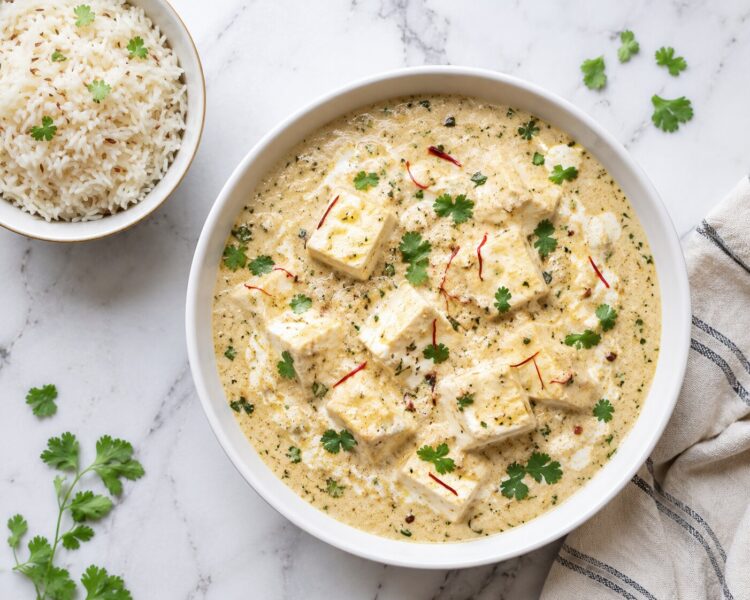
There’s a reason Shahi Paneer has stayed at the top of every Indian restaurant menu for decades. One spoonful of that velvety, golden-hued gravy — laced with saffron, warm spices, and the gentle richness of nuts — and you understand exactly why this dish is called shahi, meaning royal.
But here’s the thing most people don’t realize: you don’t need a professional kitchen or a long list of hard-to-find ingredients to pull this off at home. This recipe breaks down the entire process — from building the creamy Mughlai base to getting the paneer perfectly soft — so you can make a restaurant-quality Shahi Paneer in about 40 minutes.
Whether you’re cooking for a special dinner, a festive occasion, or simply craving something indulgent on a weeknight, this guide has you covered. Let’s get into it.
What Is Shahi Paneer? (And How Is It Different from Other Paneer Curries?)
The word shahi translates to “royal” in Urdu and Hindi, and this dish lives up to the name. It traces its roots to Mughlai cuisine — the cooking tradition that emerged under the Mughal Empire, which ruled the Indian subcontinent from the 1400s through the 1800s. Mughlai food is known for its generous use of nuts, dried fruits, aromatic spices, dairy, and slow-cooked techniques.
Shahi Paneer is the vegetarian flagship of this culinary tradition. Unlike the bright-orange, heavily spiced Punjabi-style paneer curries you might be familiar with, the Mughlai version uses a white or pale-gold gravy that is mild, slightly sweet, and deeply aromatic.
Shahi Paneer vs. Paneer Butter Masala: Key Differences
| Feature | Shahi Paneer (Mughlai) | Paneer Butter Masala |
|---|---|---|
| Base | Onions, nuts, yogurt | Tomatoes, butter, cashew paste |
| Color | White/pale gold | Bright orange-red |
| Spice Level | Mild | Medium |
| Flavor Profile | Nutty, floral, slightly sweet | Tangy, buttery, rich |
| Key Aromatics | Saffron, cardamom, kewra water | Kasuri methi, butter |
Both are delicious. But if you want something that feels more festive and unique, Shahi Paneer wins every time.
The Secret Behind the Gravy: Nuts, Not Just Cream
One of the most misunderstood aspects of an authentic Mughlai Shahi Paneer recipe is the source of its creaminess. Many home cooks reach straight for heavy cream, but the real depth of flavor comes from a paste of onions, cashews, almonds, and melon seeds (magaz) that are simmered together and blended smooth.
This nut-based paste does several things at once:
- It gives the gravy its thick, velvety body
- It adds a subtle nuttiness that balances the spices
- It provides natural richness without making the dish feel heavy
- It creates that characteristic pale-golden color
The yogurt (curd) adds a faint tanginess, and the saffron and cardamom bring the floral warmth that makes this dish unmistakably Mughlai. Cream is added at the very end — just enough to round everything out.
Ingredients for Shahi Paneer (Serves 4)
For the Onion & Nut Paste
- ½ cup onion, roughly chopped
- 2 tablespoons cashews
- 1 tablespoon almonds (peeled or unpeeled)
- 1 tablespoon muskmelon/cantaloupe seeds (magaz) — see note below
- ½ teaspoon fresh garlic, chopped
- ½ teaspoon fresh ginger, chopped
- 1½ cups water (for simmering)
Whole Spices
- 1 tej patta (Indian bay leaf)
- 2–3 cloves
- 2–3 green cardamoms
- 1 black cardamom
- 1-inch cinnamon stick
- ½ teaspoon caraway seeds (shahi jeera) — or substitute cumin seeds
Other Ingredients
- 3 tablespoons ghee (or butter or neutral oil)
- ½ teaspoon red chili powder or Kashmiri red chili powder
- ¼ teaspoon garam masala
- 1 teaspoon coriander powder
- ½ cup fresh whole-milk yogurt, whisked smooth
- 1 to 1½ cups water (adjust for consistency)
- ½ to 1 teaspoon sugar
- Salt to taste
- ¼ teaspoon cardamom powder
- 15–20 saffron strands, lightly crushed
- 200 grams fresh paneer, cubed
- 1 tablespoon heavy cream (optional, but recommended)
- 1 teaspoon kewra water or rose water (optional but adds authentic floral note)
What is magaz? In Mughlai cooking, magaz typically refers to muskmelon or cantaloupe seeds. They contribute a creamy texture and mild flavor to the gravy. If unavailable, simply replace with an extra tablespoon of almonds or use watermelon seeds. Avoid the spice shop blend called char magaz — that’s a different product.
What is kewra water? Kewra (also called kevda) is a floral essence extracted from the screwpine flower. It has a distinctive, slightly sweet aroma that’s deeply associated with Mughlai cooking. A drop of pandan extract or an equal amount of rose water can substitute if kewra is unavailable.
How to Make Shahi Paneer: Step-by-Step
Step 1 — Prepare the Onion & Nut Paste
Rinse the cashews, almonds, and melon seeds well. Add them to a saucepan along with the chopped onion, ginger, garlic, and 1½ cups of water. Bring to a gentle simmer over medium-low heat and cook for 8–10 minutes, until the onions turn completely soft.
Drain, reserving the cooking liquid (this starchy, flavorful stock will help you blend the paste). Let the mixture cool to room temperature, then transfer to a blender. Add 2–4 tablespoons of the reserved stock and blend into a completely smooth, fine paste. Set aside.
Meanwhile, whisk the yogurt in a bowl until it’s completely lump-free and smooth. This step is critical — adding unwhisked yogurt to a hot pan can cause it to split and curdle.
Pro tip: If you want an ultra-smooth gravy, pass the blended paste through a fine mesh strainer before cooking. This is how many restaurant kitchens achieve that silky texture.
Step 2 — Bloom the Whole Spices
Heat ghee in a wide pan over medium-low heat. Once the ghee is warm and fragrant, add all the whole spices: tej patta, cloves, green and black cardamoms, cinnamon, and caraway seeds.
Fry them gently, stirring constantly, until they sizzle and release their aroma — this takes about 60–90 seconds. Watch carefully; whole spices can go from perfectly bloomed to bitter and burned in seconds.
Optional: If you’d prefer not to bite into a whole clove or cardamom pod at the table, fish out the larger whole spices with a slotted spoon before adding the paste in the next step. Leave the caraway seeds in.
Step 3 — Cook the Onion & Nut Paste
Add the blended onion-nut paste to the pan and mix it into the spiced ghee until uniform. Now cook on low to medium-low heat, stirring constantly, for 7–8 minutes. The paste will thicken, deepen in color slightly, and eventually turn glossy. You’ll know it’s ready when the ghee begins to separate at the edges of the paste.
Don’t rush this step. It develops the deep, savory base of the entire gravy. Keep stirring without stopping to prevent the paste from burning on the bottom.
Step 4 — Add the Ground Spices
Add red chili powder, garam masala, and coriander powder directly to the cooked paste. Stir well and cook for another minute until the spices are fully absorbed. At this point, you can also add a pinch of turmeric if you want a warmer, yellow-toned gravy — just note that it will shift the color away from the traditional white.
Step 5 — Build the Gravy
Reduce the heat to low (or briefly turn off the flame). Add the whisked yogurt, 1 to 1½ cups of water, sugar, and salt. Stir everything together thoroughly, then simmer on low heat for 10–12 minutes until the gravy thickens to your preferred consistency.
Adding yogurt over low heat prevents curdling. The sugar isn’t just there for sweetness — it balances the mild tang from the yogurt and gives the dish its characteristic Mughlai gentleness.
Step 6 — Finish and Add Paneer
Stir in the cardamom powder and crushed saffron strands. Let them bloom in the gravy for a minute. Then add the paneer cubes and heavy cream. Gently fold everything together and turn off the heat.
Finally, stir in the kewra water or rose water. This last touch is what gives the dish its unmistakably royal, floral finish.
Garnish with fresh coriander leaves, mint leaves, or a few extra saffron strands. Serve immediately.
What to Serve with Shahi Paneer
Shahi Paneer is one of the most versatile North Indian paneer recipes when it comes to pairing:
- Leavened breads: Naan (plain or garlic), kulcha, or peshwari naan
- Flatbreads: Roti, paratha, or laccha paratha
- Rice dishes: Jeera rice, ghee rice, or even a simple steamed basmati
- For a complete feast: Pair with dal makhani, raita, and a kachumber salad
Avoid serving it with heavily spiced dishes on the side — the delicate floral notes of Shahi Paneer deserve to take center stage.
Expert Tips for the Best Results
Use fresh, high-quality paneer. Homemade paneer gives you soft, melt-in-the-mouth cubes that soak up the gravy beautifully. If using store-bought or frozen paneer, soak it in warm water for 20–30 minutes before using to restore its softness.
Never rush the paste. The 7–8 minutes of cooking the nut-onion paste is where the flavor foundation is built. Shortcut this and your gravy will taste flat.
Yogurt must be fresh and full-fat. Low-fat or sour yogurt can break the gravy and introduce excessive acidity. Use whole-milk yogurt that is not past its peak freshness.
Saffron makes a difference. Crush the strands lightly before adding them. This releases the color and aroma more effectively into the gravy.
Balance the gravy consistency. For a restaurant-style medium consistency, aim for 1 to 1¼ cups of water. For a thicker, more sauce-like result, use ¾ to 1 cup. You can always thin it out with a splash of warm water at serving time.
Go vegan if needed. Substitute firm tofu for paneer, use cashew yogurt in place of dairy yogurt, and replace ghee with a neutral oil like refined coconut or sunflower oil. Skip the cream or use coconut cream instead.
Nutrition Information (Per Serving, Approximate)
| Nutrient | Amount |
|---|---|
| Calories | ~330 kcal |
| Protein | 11g |
| Carbohydrates | 12g |
| Fat | 28g |
| Calcium | 304mg |
| Fiber | 2g |
Paneer is an excellent source of protein and calcium, making Shahi Paneer a nutritionally solid vegetarian main — even with the richness of nuts and cream.
Storage and Reheating
- Refrigerator: Store leftovers in an airtight container for up to 1 day. The gravy thickens as it cools; add a splash of water when reheating.
- Reheating: Warm gently over low heat on the stovetop, stirring occasionally.
- Freezer: Not recommended. Paneer turns chewy after freezing and thawing, and the cream-based gravy can separate.
- Best practice: Make the gravy base ahead of time and store it. Add fresh paneer only when reheating and serving.
FAQs About Shahi Paneer
Q1. What makes Shahi Paneer different from regular paneer curry?
Shahi Paneer stands out because of its Mughlai-style white gravy — built on a paste of simmered onions, cashews, almonds, and melon seeds rather than a tomato base. The flavor is mild, nutty, and floral rather than tangy and spicy, and it uses aromatics like saffron, cardamom, and kewra water that aren’t found in everyday paneer dishes.
Q2. Can I make Shahi Paneer without onions and garlic?
Yes, though the flavor profile will change. Omit both and add a small pinch of hing (asafoetida) to the ghee at the start of cooking. It approximates the savory depth that onion and garlic bring to the gravy. The result will still be delicious, just slightly different.
Q3. Why did my yogurt split or curdle in the gravy?
This usually happens when yogurt is added to a pan that’s too hot, or when low-fat yogurt is used. Always reduce the heat to low or turn it off briefly before adding the yogurt. Make sure it is whisked completely smooth beforehand, and use full-fat, fresh dairy yogurt.
Q4. Can I substitute tomatoes for yogurt in this recipe?
Yes. Use an equal amount of fresh tomato puree (½ cup) in place of the yogurt. Since tomatoes are more acidic, balance it by adding 2–3 extra tablespoons of cream to the finished gravy. Note that the color will shift from pale gold to a deeper orange-red.
Q5. How do I keep paneer soft in the gravy?
The key is to add paneer at the very end of cooking and not to boil it in the gravy for a long time. Turn off the heat right after mixing in the paneer. If using store-bought paneer, soak it in warm salted water for 20 minutes before adding it. This keeps it tender rather than rubbery.
Ready to Cook? Here’s Your Quick Recap
Shahi Paneer is a dish worth making from scratch. Yes, the ingredient list looks long — but the technique is straightforward, and every single step has a purpose. The nut paste, the bloomed spices, the saffron finish — together they create something that genuinely tastes like it came from a fine Mughlai kitchen, not your home stove.
Make it once and you’ll understand why this has been a beloved North Indian paneer recipe for centuries.
Give this recipe a try this weekend and let us know how it turns out in the comments below! If you loved it, share it with someone who needs a little royalty in their kitchen.
Pairs well with: Garlic Naan | Jeera Rice | Dal Makhani | Raita