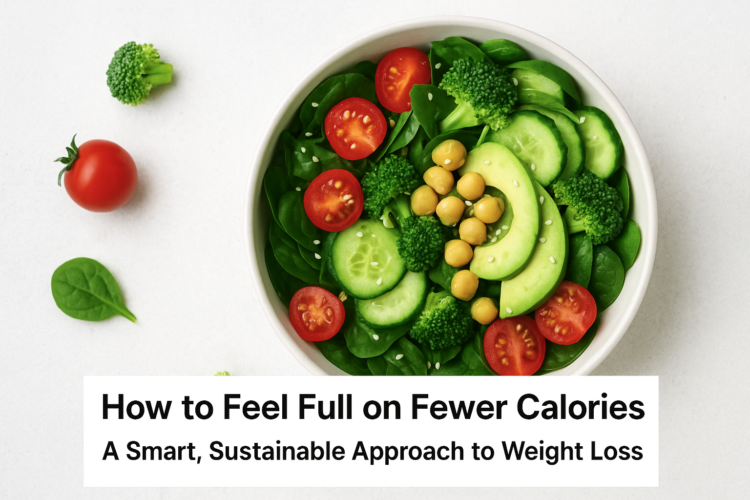
Ever wish you could eat more food but still lose weight? That’s exactly what eating to feel full on fewer calories allows you to do. By choosing the right kinds of foods—rich in water, fiber, and volume—you can stay satisfied longer while naturally cutting calories without dealing with constant hunger. This approach focuses on the idea of energy density and low-energy-dense diets. When combined with simple healthy habits, it becomes a long-term weight management strategy that fits into everyday life.
What Are Energy-Dense Foods?
Energy density refers to the number of calories a food provides compared to its weight or volume. Foods high in energy density pack a lot of calories into small portions. Think of fried foods, desserts, and processed snacks. On the other hand, low-energy-dense foods, such as fruits, vegetables, and soups, provide fewer calories in larger portions.
By choosing more low-energy-dense foods, you can eat larger volumes, feel satisfied, and still reduce overall calorie intake. This approach makes it easier to stay on track with weight loss without feeling deprived.
Why Low-Energy-Dense Diets Work
Low-energy-dense diets work because water and fiber add volume without adding significant calories. Fruits such as grapefruit and watermelon are made up of mostly water, which fills you up while keeping calories low. Vegetables like carrots and leafy greens are loaded with fiber that takes longer to digest, promoting satiety on fewer calories.
Fat, in contrast, is highly energy-dense. By replacing high-fat, calorie-packed foods with water-rich and fiber-rich options, you can stay satiated on less calories. This shift is a simple yet powerful way to manage weight.
Building a Low-Energy-Dense Plate
One effective strategy is to structure meals around fruits, vegetables, and whole grains. These should make up the majority of your plate. Protein from lean meats, legumes, or dairy can fill the middle portion, while fats and sweets should be limited.
For example, replace whole milk with skim milk, trade potato chips for air-popped popcorn, and choose grapes over cookies for dessert. These swaps allow you to eat larger amounts of food while still cutting calories. This is how you can feel full on fewer calories with vegetables and fruits.
Real-Life Meal Examples
Here are some practical meal ideas that show how a low-energy-dense approach can work every day:
- Breakfast: Overnight oats topped with berries and pear slices.
- Lunch: A hearty bean and vegetable soup with a drizzle of olive oil.
- Dinner: Roast chicken with a tray of vegetables such as broccoli, onion, and tomatoes.
- Snacks: Fresh fruit, raw bell peppers, or a banana.
Each of these meals is rich in water and fiber, offering satiety without excess calories.
Healthy Habits That Support Weight Loss
The strategy of feeling full on fewer calories works best when paired with sustainable lifestyle habits. The first step is adopting simple changes such as adding more vegetables to meals, drinking water before eating, and reducing portion sizes for high-fat foods.
Weight loss programs like the Mayo Clinic Diet use two phases: a short-term reset to jumpstart progress and a long-term maintenance phase for steady, realistic results. In the long term, the focus is on portion control, meal planning, and daily physical activity. These healthy weight-loss habits turn short-term success into lasting results.
Move More, Eat Better
Physical activity complements a low-energy-dense diet. Regular exercise burns calories, boosts metabolism, and maintains muscle mass, which is crucial for long-term success. Simple daily movements like walking, gardening, or climbing stairs count toward your activity goals.
Experts recommend at least 150 minutes of moderate activity or 75 minutes of vigorous activity each week. Strength training should also be included, since building muscle helps maintain satiety and supports weight management. Therefore, combining smart food choices with consistent movement is the most effective strategy.
Overcoming Weight-Loss Plateaus
It is normal to hit a plateau during weight loss, even when eating well and exercising consistently. The body adapts to a new calorie level, and progress may slow down. To overcome this, try adding more physical activity, incorporating strength training, or making small adjustments to reduce calories further through low-energy-dense foods. Remember that maintaining weight is also a sign of success. The goal is not just quick results but long-term health.
Conclusion
You truly can feel full on fewer calories and enjoy your meals by choosing high-volume, low-energy-dense foods. Whether it is filling up on fruits and vegetables, preparing satisfying soups, or swapping high-calorie snacks for fiber-rich options, these small steps make a big difference. In addition, combining these habits with daily physical activity helps you manage weight, stay healthy, and feel your best.
In the end, the goal is not just losing weight but creating a lifestyle that is sustainable and enjoyable. By making smart choices every day, you can eat more, feel satisfied, and still move closer to your health goals.
Also Read – The Best Low-Calorie Foods to Include in Your Weight Loss Diet