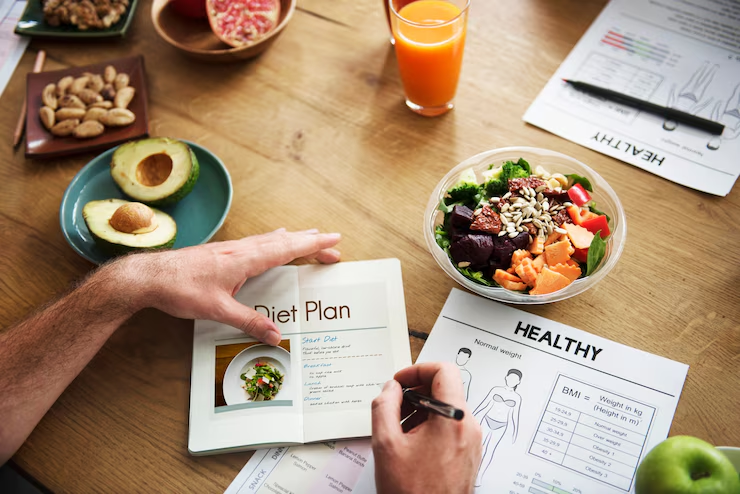
Losing weight isn’t just about eating less—it’s about eating smart. One of the most effective strategies for sustainable weight loss is meal planning. Planning your meals in advance helps you control portion sizes, choose healthier ingredients, and avoid impulsive eating.
Whether you’re just starting your weight loss journey or trying to fine-tune your eating habits, a well-thought-out meal plan can make all the difference. In this guide, we’ll explore practical meal planning tips, food choices, and a sample meal plan to help you reach your goals.
Why is Meal Planning Important for Weight Loss?
Meal planning isn’t just about saving time in the kitchen—it plays a crucial role in weight management. Here’s why:
✅ Helps Control Calories – Pre-planned meals prevent overeating and mindless snacking.
✅ Encourages Healthy Eating – When you plan ahead, you’re more likely to choose nutritious foods over unhealthy options.
✅ Saves Time & Money – Prepping meals in advance reduces food waste and unnecessary grocery purchases.
✅ Eliminates Decision Fatigue – Knowing what to eat in advance prevents last-minute unhealthy choices.
By following a structured meal plan, you can stay on track with your weight loss goals without feeling deprived.
Step-by-Step Guide to Meal Planning for Weight Loss
1. Set Clear Goals
Before you start meal planning, define your weight loss goals:
✔ How many calories do you need per day?
✔ What is your target weight?
✔ Do you have any dietary restrictions (vegetarian, gluten-free, etc.)?
Use a calorie calculator to estimate how many calories you should consume based on your age, weight, and activity level.
💡 Tip: A healthy weight loss rate is 1–2 pounds per week, which requires a 500–750 calorie deficit per day.
2. Focus on Balanced Nutrition
For effective weight loss, include a balance of macronutrients in every meal:
✔ Protein: Builds muscle and keeps you full longer (chicken, fish, tofu, eggs, lentils).
✔ Healthy Fats: Supports metabolism and satiety (avocados, nuts, olive oil).
✔ Fiber & Complex Carbs: Provides energy and regulates digestion (whole grains, vegetables, legumes).
🚨 Avoid: Processed foods, sugary snacks, refined carbs, and deep-fried items.
3. Plan Your Meals Around Your Daily Routine
Think about:
📌 When do you feel most hungry?
📌 Do you prefer larger meals or frequent smaller meals?
📌 What’s your work/life schedule?
For example, if you tend to overeat at dinner, you can plan a high-protein lunch to keep you full longer.
💡 Tip: Eating at consistent times regulates metabolism and helps prevent cravings.
4. Portion Control is Key
Even healthy foods can lead to weight gain if you eat too much of them. Use these portion control tips:
🍽 Use smaller plates to trick your brain into thinking you’re eating more.
🥄 Measure ingredients with a kitchen scale or measuring cups.
👀 Follow the “plate method”:
- 50% Vegetables
- 25% Protein
- 25% Whole grains or healthy carbs
💡 Tip: Avoid eating straight from the package—serve food on a plate instead.
5. Prep Meals in Advance
Meal prepping helps you stick to your plan and avoid unhealthy choices.
How to meal prep efficiently:
✔ Cook in batches (grill chicken, boil eggs, prepare salad dressings).
✔ Chop and store veggies in airtight containers.
✔ Portion snacks (nuts, yogurt, fruits) in small containers.
✔ Freeze meals for busy days.
💡 Tip: Prepare overnight oats, smoothie packs, or boiled eggs for quick breakfast options.
6. Grocery Shopping Smartly
Before grocery shopping:
✔ Make a list based on your meal plan.
✔ Stick to the outer aisles (produce, dairy, lean meats) and avoid processed foods.
✔ Read nutrition labels and avoid added sugars & unhealthy fats.
💡 Tip: Never shop when you’re hungry—it leads to impulse buying!
7. Drink Plenty of Water
Hydration is key to weight loss! Sometimes, our body mistakes thirst for hunger, leading to unnecessary snacking.
💧 Drink at least 8–10 glasses of water daily.
💧 Have a glass of water before meals to help with portion control.
💧 Add lemon, mint, or cucumber for a refreshing twist.
🚨 Avoid sugary sodas and juices—stick to herbal teas or infused water instead.
Sample 7-Day Meal Plan for Weight Loss
Here’s a balanced meal plan to help you get started:
Day 1
🍳 Breakfast: Scrambled eggs with spinach + whole wheat toast
🥗 Lunch: Grilled chicken salad with olive oil dressing
🍎 Snack: Apple slices with peanut butter
🍛 Dinner: Quinoa & vegetable stir-fry
Day 2
🥣 Breakfast: Overnight oats with chia seeds & berries
🥗 Lunch: Lentil soup with whole grain bread
🥜 Snack: Handful of almonds
🍲 Dinner: Grilled salmon with steamed broccoli
Day 3
🍳 Breakfast: Greek yogurt with nuts & honey
🥗 Lunch: Quinoa & black bean bowl
🥕 Snack: Carrot & cucumber sticks with hummus
🍛 Dinner: Chicken curry with brown rice
Day 4
🥣 Breakfast: Smoothie (banana, spinach, almond milk, protein powder)
🥗 Lunch: Chickpea salad with lemon dressing
🥑 Snack: Avocado toast
🍲 Dinner: Stir-fried tofu with quinoa
Day 5
🍳 Breakfast: Scrambled eggs with mushrooms
🥗 Lunch: Tuna salad wrap with whole wheat tortilla
🥕 Snack: Roasted chickpeas
🍛 Dinner: Grilled shrimp with roasted vegetables
Day 6
🥣 Breakfast: Chia pudding with coconut milk
🥗 Lunch: Spiced lentil soup
🥜 Snack: Handful of mixed nuts
🍲 Dinner: Baked chicken breast with steamed greens
Day 7
🍳 Breakfast: Boiled eggs with avocado toast
🥗 Lunch: Grilled paneer with quinoa
🍎 Snack: Fresh fruit salad
🍛 Dinner: Vegetable curry with whole grain roti
Common Meal Planning Mistakes to Avoid
❌ Skipping meals – Leads to overeating later.
❌ Not including enough protein – Results in cravings and muscle loss.
❌ Buying too many processed “healthy” snacks – Many contain hidden sugars.
❌ Not prepping ahead – Leads to last-minute unhealthy choices.
❌ Drinking calories – Sugary drinks can sabotage your progress.
Also Read – High Protein Diet for Weight Loss: Your Guide to Eating Smart and Staying Fit
Conclusion
Meal planning is a powerful tool for effective weight loss. By choosing balanced meals, portioning correctly, and prepping ahead, you can make healthy eating easier and more enjoyable.
Start with simple meal prep strategies, and gradually customize your plan based on your preferences. Consistency is key—stick to your meal plan, stay hydrated, and enjoy the journey to a healthier you!
💡 Are you ready to start meal planning? Share your favourite healthy meals in the comments!