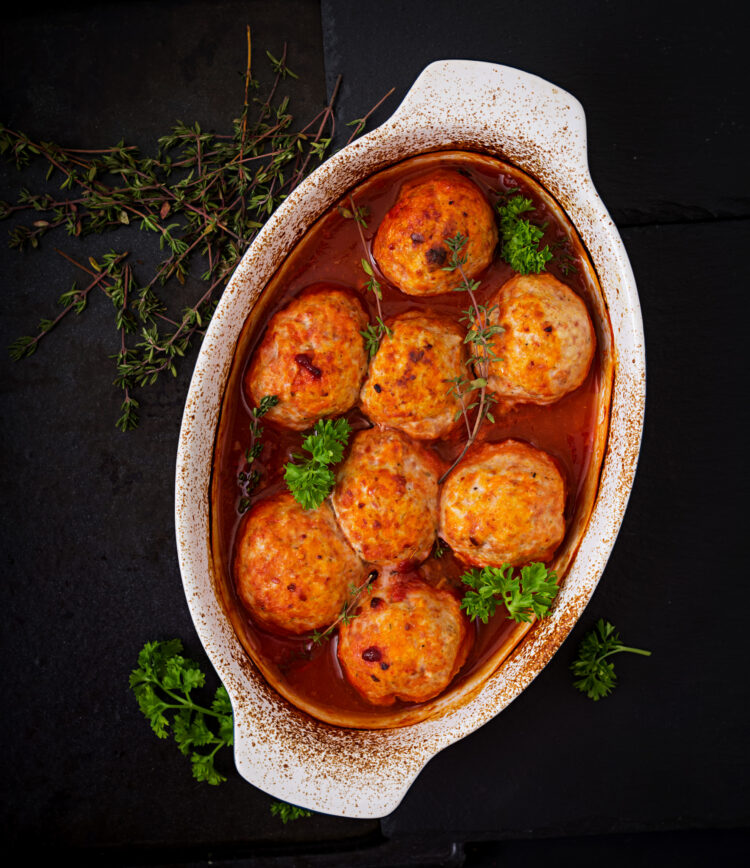
If you’re craving a comforting Indian curry that’s both easy to make and full of flavor, look no further than Egg Masala Curry. This dish is a household favorite across India, known for its rich onion-tomato gravy, warming spices, and versatility.
The Egg Masala Curry perfectly represents this recipe, as it’s one of the most searched Indian egg dishes worldwide. Whether you call it Anda Curry, Egg Curry Masala, or Spiced Egg Gravy, the essence is the same – boiled eggs simmered in a thick, aromatic masala that pairs beautifully with rice, chapati, pulao, or even biryani.
In this article, we’ll dive deep into how to make restaurant-style Egg Masala Curry at home, along with pro cooking tips, nutrition details, FAQs, and serving ideas.
Ingredients for Egg Masala Curry
Here’s what you’ll need to make this simple yet delicious curry:
- 6 boiled eggs (peeled, with slight cuts for better absorption)
- 2 large onions (finely chopped)
- 2 medium tomatoes (pureed)
- 2–3 green chilies (slit)
- 1 tbsp ginger-garlic paste
- 2–3 tbsp oil or ghee
- 1 tsp cumin seeds
- 1 bay leaf
- 1 tsp turmeric powder
- 2 tsp red chili powder
- 2 tsp coriander powder
- 1 tsp garam masala powder
- ½ tsp kasuri methi (dried fenugreek leaves)
- Salt to taste
- Fresh coriander leaves for garnish
- 1 ½ cups water (adjust for desired consistency)
Step-by-Step Instructions
Step 1: Prepare the Eggs
- Boil the eggs for 10–12 minutes, peel, and make small slits to help the masala penetrate.
- Lightly sauté them in ½ tsp oil with turmeric and chili powder for a golden crust. This prevents breaking and adds flavor.
Step 2: Make the Masala Base
- Heat oil in a pan. Add cumin seeds and bay leaf.
- Add chopped onions and sauté until golden brown.
- Stir in ginger-garlic paste and cook until fragrant.
Step 3: Build the Curry
- Add tomato puree, turmeric, chili, and coriander powder. Cook until oil separates.
- Crush kasuri methi between palms and add for extra aroma.
- Mix well and cook the masala on medium flame.
Step 4: Add Eggs & Simmer
- Add sautéed eggs to the masala, coat well, and pour in water.
- Simmer for 8–10 minutes until flavors blend into the gravy.
- Finish with garam masala and fresh coriander leaves.
Step 5: Serve Hot
Enjoy your Egg Masala Curry with steamed rice, chapati, naan, or even as a side with biryani or pulao.
Why Egg Masala Curry is a Family Favorite
Egg curry is loved because it’s:
- Quick and easy – Ready in under 40 minutes.
- High in protein – Great option for vegetarians who eat eggs.
- Budget-friendly – Requires pantry staples and simple spices.
- Versatile – Can be served with multiple Indian meals.
Tips & Tricks for the Best Egg Curry
- Always sauté boiled eggs before adding them to curry for better texture.
- Use ripe tomatoes for a naturally sweet and tangy flavor.
- Adjust the spice levels by reducing or increasing green chilies.
- Add coconut milk or cream for a South Indian twist.
- For a Dhaba-style egg curry, add extra ghee and smoked spices.
Nutritional Benefits of Egg Masala Curry
Eggs are a powerhouse of protein, vitamins, and minerals. A single serving of this curry provides:
- High-quality protein for muscle health.
- Vitamin D & B12 for immunity and energy.
- Healthy fats that keep you full for longer.
- Low-carb meal option perfect for weight watchers.
When paired with whole wheat chapati or brown rice, Egg Masala Curry becomes a balanced and wholesome Indian meal.
Egg Curry for Chapati and Rice
One of the most common ways Indians enjoy Egg Masala Curry is with chapati and rice. The soft eggs soak up the masala beautifully, making it a hearty and satisfying meal option. Pairing it with jeera rice, steamed basmati, or even ghee rice enhances the flavors.
Serving Suggestions
- With Jeera Rice or plain steamed basmati.
- Alongside chapati, naan, or paratha for a wholesome dinner.
- As a side dish with vegetable pulao or biryani.
- With a simple cucumber raita for balance.
You can also explore healthy Indian breakfast ideas
FAQ Section
Q1: Can I make egg curry without onions and garlic?
Yes, you can prepare a simple satvik-style egg curry using only tomatoes, ginger, and spices.
Q2: How can I make egg curry spicier?
Add extra green chilies, a teaspoon of black pepper, or increase red chili powder.
Q3: Can I store egg curry?
Yes, it keeps well in the fridge for 2 days. Reheat gently on the stove.
Q4: Can I make egg curry without frying the eggs?
Absolutely! You can add boiled eggs directly into the curry for a lighter version.
Q5: What is the difference between Egg Masala and Egg Curry?
Egg Masala has a thicker, spicier base, while Egg Curry is more gravy-like and usually thinner.
Conclusion
Egg Masala Curry is the ultimate comfort food in Indian kitchens. With its bold spices, protein-packed eggs, and rich masala, it’s perfect for both weekday dinners and festive meals. Whether paired with rice, chapati, pulao, or biryani, this recipe never fails to impress.
So, next time you’re in the mood for a quick yet wholesome Indian meal, whip up this Egg Masala Curry and enjoy the deliciousness!