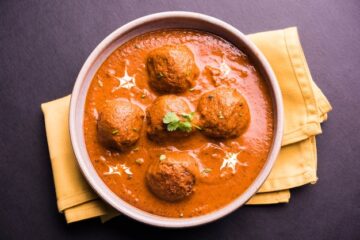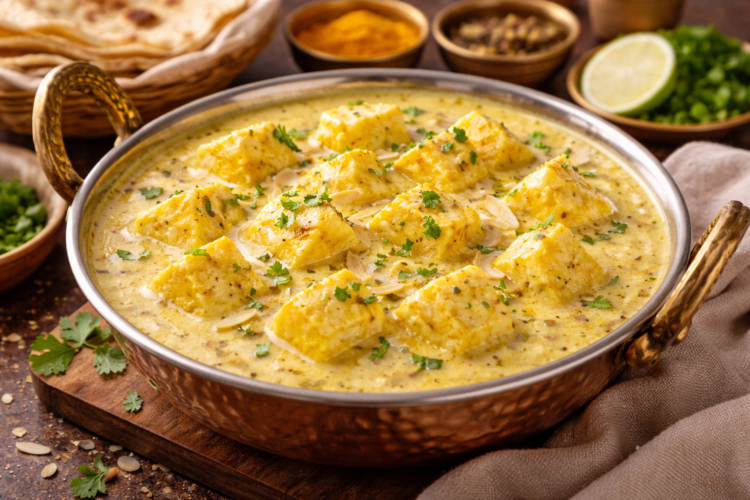
Some dishes don’t rely on heat or heavy spices to impress. Instead, they win you over with richness, balance, and subtlety. Malai Paneer is one such dish. Smooth, mildly sweet, and luxuriously creamy, it is a favorite among those who enjoy indulgent North Indian cuisine without overpowering spice.
Malai paneer is often served at celebrations, family dinners, and restaurant menus as a symbol of comfort and elegance. The word malai refers to cream, and that is exactly what defines this dish. The gravy is soft, velvety, and gently spiced, allowing the natural flavor of paneer to shine.
This detailed guide walks you through everything you need to know about malai paneer, from understanding its character to mastering the technique, avoiding common mistakes, and customizing it for your kitchen. Whether you are cooking for guests or preparing a special meal at home, this recipe will help you achieve consistent, restaurant-style results.
What Is Malai Paneer?
Malai paneer is a North Indian curry made with fresh paneer simmered in a creamy base of milk cream, nuts, and aromatic spices. Unlike tomato-heavy gravies, this dish relies more on dairy and nuts for richness.
The flavor profile of malai paneer is mild, slightly sweet, and deeply comforting. It is often chosen by people who prefer creamy curries over spicy ones.
The texture of the gravy is smooth and silky, while the paneer remains soft and tender. When prepared correctly, the dish feels indulgent without being overwhelming.
Why Malai Paneer Is So Popular
Malai paneer appeals to a wide range of palates. It works well for children, elders, and anyone who prefers gentle flavors. It is also one of the most ordered vegetarian dishes in Indian restaurants because it pairs beautifully with naan, roti, or rice.
Another reason for its popularity is versatility. Malai paneer can be made richer for special occasions or lighter for everyday meals without losing its identity.
Ingredients Used in Malai Paneer
Main Ingredients
- Paneer made from full-fat milk
- Fresh cream (malai)
- Onions
- Cashew nuts
- Green chilies
- Ginger
- Milk
Spices and Aromatics
- Bay leaf
- Green cardamom
- Cinnamon
- Cloves
- White pepper or black pepper
- Garam masala
- Salt
Fats
- Butter or ghee
- Oil
Each ingredient plays a role in building the final flavor. Cashews provide body and mild sweetness, onions add depth, and cream brings smoothness. The spices are used sparingly to enhance, not dominate.
Choosing the Right Paneer
The quality of paneer determines the success of malai paneer. Fresh, soft paneer absorbs flavors better and stays tender in the gravy.
If using store-bought paneer, soaking it in warm water for ten minutes helps soften it. Homemade paneer, if made correctly, gives the best texture and taste.
Paneer cubes should be cut evenly so they cook uniformly and look presentable.
Understanding the Malai Gravy Base
The gravy of malai paneer is built differently from tomato-onion gravies. It focuses on smoothness and richness rather than acidity.
Onions are lightly sautéed until soft, not browned. Cashews are blended into a fine paste to create body. Cream and milk are added gradually to control thickness.
The result should be a pale, creamy gravy with no graininess or oil separation.
Step-by-Step Preparation of Malai Paneer
Preparing the Nut Paste
Cashew nuts are soaked briefly and blended into a smooth paste. This paste thickens the gravy naturally and adds subtle sweetness.
Cooking the Base
Whole spices are tempered gently in butter or ghee. Onions are added and cooked slowly until translucent. Ginger and green chilies are added next to build aroma.
The nut paste is then mixed in and cooked on low heat to remove raw flavors.
Building the Creamy Gravy
Milk and fresh cream are added slowly while stirring. The heat is kept low to prevent curdling. Spices and seasoning are adjusted carefully.
The gravy should be smooth, glossy, and lightly thick.
Adding Paneer
Paneer cubes are added at the final stage and simmered briefly so they absorb the flavors without becoming rubbery.
Why Low Heat Is Crucial
High heat can cause cream to split and paneer to toughen. Malai paneer requires patience and gentle cooking.
Slow simmering allows flavors to blend harmoniously while preserving texture.
Common Mistakes to Avoid
Overcooking the onions until brown alters the color and taste of the gravy. Using too much garam masala can overpower the delicate flavors.
Another mistake is adding cream directly on high heat, which can cause curdling. Always lower the flame before adding dairy.
Restaurant Style Malai Paneer vs Homemade
Restaurant-style malai paneer is richer due to higher fat content. Homemade versions can be adjusted to suit health preferences.
At home, you can reduce cream, increase milk, or add a little yogurt for balance. This flexibility makes homemade malai paneer more adaptable.
Variations of Malai Paneer
Shahi Malai Paneer
Extra cashews and cream are used for a royal version.
Malai Paneer Without Onion
Perfect for festive or no-onion cooking, using only nuts and dairy.
Malai Paneer with Vegetables
Mild vegetables like peas or mushrooms can be added for texture.
Malai Paneer vs Paneer Butter Masala
Malai paneer is cream-based and mild, while paneer butter masala relies on tomatoes and butter with a tangy profile.
Both are rich, but malai paneer feels softer and less spicy.
Nutritional Value of Malai Paneer
Malai paneer is high in protein, calcium, and healthy fats. Paneer supports muscle health and bone strength.
However, due to cream and nuts, it is calorie-dense. Portion control is important for regular consumption.
Is Malai Paneer Healthy?
In moderation, malai paneer can be part of a balanced diet. Using fresh ingredients and controlling cream quantity makes it healthier.
For a lighter version, reduce butter and increase milk while keeping flavor intact.
Best Side Dishes with Malai Paneer
Malai paneer pairs best with naan, butter roti, phulka, or jeera rice. The mild gravy balances well with plain breads and rice.
Avoid very spicy sides, as they overshadow the subtle flavors.
Storage and Reheating Tips
Malai paneer can be stored in the refrigerator for up to two days. Reheat gently on low heat with a splash of milk to restore consistency.
Avoid microwaving on high power, as it may split the gravy.
Why Homemade Malai Paneer Is Better
Homemade malai paneer gives you control over richness, freshness, and spice levels. Restaurant versions often rely on excess cream and butter.
Cooking it at home ensures better texture and cleaner flavors.
Conclusion
Malai Paneer is a celebration of subtlety and richness. It proves that bold flavors are not always about heat. With the right technique, patience, and quality ingredients, this dish becomes a showstopper on any table.
Once you understand how the gravy works and how to treat paneer gently, malai paneer becomes an easy yet impressive dish to prepare.
Try this recipe at home and enjoy a creamy North Indian classic made your way.
FAQs
1. Why does my malai paneer gravy split?
This happens due to high heat or the sudden addition of cream.
2. Can I make malai paneer without cream?
Yes, you can use full-fat milk and cashew paste, but the taste will be lighter.
3. Is malai paneer sweet?
It has a mild natural sweetness from cream and nuts, not added sugar.
4. Can I use store-bought paneer?
Yes, soak it in warm water before using to soften it.
5. How do I thicken malai paneer gravy?
Cashew paste naturally thickens the gravy.
6. Can malai paneer be frozen?
Freezing is not recommended as dairy-based gravies change texture.
7. What spices suit malai paneer best?
Whole spices like cardamom and minimal garam masala work best.
8. Is malai paneer kid-friendly?
Yes, due to its mild and creamy taste.