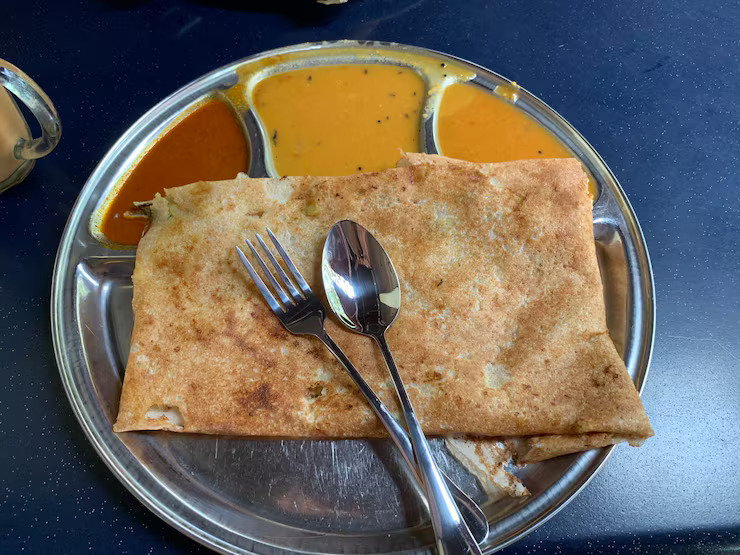
If you love dosa but don’t always have the patience to wait for overnight fermentation, instant pesarattu is your best friend.
This classic Andhra-style moong dal dosa is everything a modern kitchen needs—quick, nutritious, gluten-free, and incredibly satisfying. Made primarily with green gram (moong dal), pesarattu delivers high protein, fiber, and essential minerals in every bite.
What makes instant pesarattu special is its simplicity. No fermentation. No complicated steps. Just soak, grind, and cook.
In this detailed guide, you’ll learn:
- What makes pesarattu different from dosa
- How to make instant pesarattu perfectly crisp
- Nutritional benefits backed by logic
- Common mistakes and expert tips
- Variations, comparisons, and serving ideas
Whether you’re a beginner or an experienced home cook, this guide will help you master restaurant-style instant pesarattu at home.
What Is Pesarattu?
Pesarattu is a traditional South Indian crepe made from whole green gram (moong dal). Originating from Andhra Pradesh and Telangana, it is often served with ginger chutney or upma.
Unlike fermented dosa or idli:
- Pesarattu uses raw soaked dal
- It does not require fermentation
- It is lighter on the stomach
- Naturally high in protein
Why It’s Called “Instant” Pesarattu
Traditional pesarattu uses soaked moong dal, which is ground and used immediately. Since there’s no fermentation involved, it qualifies as an instant dosa recipe.
Why Instant Pesarattu Is So Popular Today
Modern lifestyles demand meals that are:
- Fast to prepare
- Nutritious
- Suitable for all age groups
Instant pesarattu ticks all these boxes.
Key Reasons for Its Popularity
- Ready in under 30 minutes
- Ideal for busy mornings
- Suitable for weight-conscious diets
- Kid-friendly and senior-friendly
- Naturally gluten-free
Nutritional Benefits of Moong Dal Dosa
Moong dal is one of the most nutritionally balanced legumes used in Indian cooking.
Nutritional Highlights (Per Serving Approx.)
- Protein: 12–14 g
- Dietary Fiber: High
- Fat: Very low
- Glycemic Index: Low
- Calories: Moderate
Health Benefits
- Supports muscle repair and growth
- Keeps you full for longer
- Aids digestion
- Helps manage blood sugar
- Excellent for heart health
This makes instant pesarattu a perfect high-protein Indian breakfast.
Ingredients for Instant Pesarattu
Main Ingredients
- Whole green gram (moong dal)
- Fresh ginger
- Green chilies
- Cumin seeds
- Salt
Optional Add-ins
- Onion (finely chopped)
- Curry leaves
- Coriander leaves
- Black pepper
💡 Tip: Using whole green gram with skin enhances fiber content.
How to Make Instant Pesarattu – Step-by-Step
Step 1: Soaking the Moong Dal
- Rinse moong dal 2–3 times
- Soak in clean water for 4–6 hours
- Drain completely before grinding
Step 2: Grinding the Batter
- Add soaked dal to a blender
- Add ginger, green chilies, cumin
- Use minimal water
- Grind to a slightly coarse batter
✔ Batter consistency should be similar to regular dosa batter.
Step 3: Preparing the Pan
- Heat a cast iron or non-stick tawa
- Sprinkle water to test heat
- Wipe gently with cloth
Step 4: Making the Dosa
- Pour batter in the center
- Spread gently in circular motion
- Drizzle oil around edges
- Cook until crisp and golden
Flip only if required.
Perfect Texture: Crispy vs Soft Pesarattu
| Texture | How to Achieve |
|---|---|
| Crispy | Thin spread, medium-high heat |
| Soft | Slightly thick batter, low heat |
| Even browning | Preheated tawa |
Common Mistakes to Avoid
- Adding too much water while grinding
- Using unsoaked dal
- Spreading batter on cold tawa
- Cooking on very high heat
These mistakes often result in sticky or undercooked dosas.
Expert Tips for Best Instant Pesarattu
- Use cast iron tawa for crispness
- Rest batter for 5 minutes after grinding
- Add onion only after pouring batter
- Avoid over-spreading
Variations of Pesarattu You Must Try
1. Onion Pesarattu
Topped with finely chopped onions and green chilies.
2. Pesara Upma Pesarattu
Classic Andhra combo served with savory upma.
3. Mixed Dal Pesarattu
Moong dal + chana dal for extra protein.
4. Vegetable Pesarattu
Add grated carrot, cabbage, or spinach.
Instant Pesarattu vs Regular Dosa
| Feature | Pesarattu | Regular Dosa |
|---|---|---|
| Fermentation | No | Yes |
| Protein | High | Moderate |
| Prep Time | Short | Long |
| Digestibility | Easy | Moderate |
Best Time to Eat Pesarattu
- Breakfast
- Post-workout meal
- Light dinner
- Lunch with chutney
Serving Suggestions
- Ginger chutney
- Coconut chutney
- Tomato chutney
- Plain curd
Storage & Make-Ahead Tips
- Batter stays fresh for 24 hours in fridge
- Stir well before use
- Do not add onion before storing
Who Should Eat Instant Pesarattu?
- Kids (high protein)
- Elderly (easy digestion)
- Weight watchers
- Diabetics (low GI)
Is Instant Pesarattu Good for Weight Loss?
Yes. It is:
- High in protein
- Low in fat
- Keeps you full longer
- Reduces unhealthy snacking
Conclusion
Instant pesarattu is more than just a dosa—it’s a nutrient-dense, time-saving, and versatile meal that fits perfectly into modern Indian lifestyles.
Whether you’re aiming for healthier breakfasts or quick dinners, this moong dal dosa recipe deserves a permanent place in your kitchen routine.
👉 Try it today and experience how healthy food can be delicious too!
FAQs (Featured Snippet Friendly)
1. Is instant pesarattu fermented?
No. Instant pesarattu does not require fermentation and is made using soaked moong dal.
2. Can I skip soaking moong dal?
Soaking is essential for easy grinding and better digestion.
3. Is pesarattu gluten-free?
Yes, it is naturally gluten-free.
4. Can I make it without onion?
Absolutely. Onion is optional.
5. Why does my pesarattu stick to the pan?
The pan may be too hot or not seasoned properly.
6. Can I use yellow moong dal?
Yes, but whole green gram gives better texture and nutrition.
7. How long can I store the batter?
Up to 24 hours in the refrigerator.
8. Is pesarattu good for diabetics?
Yes, due to its low glycemic index and high fiber.