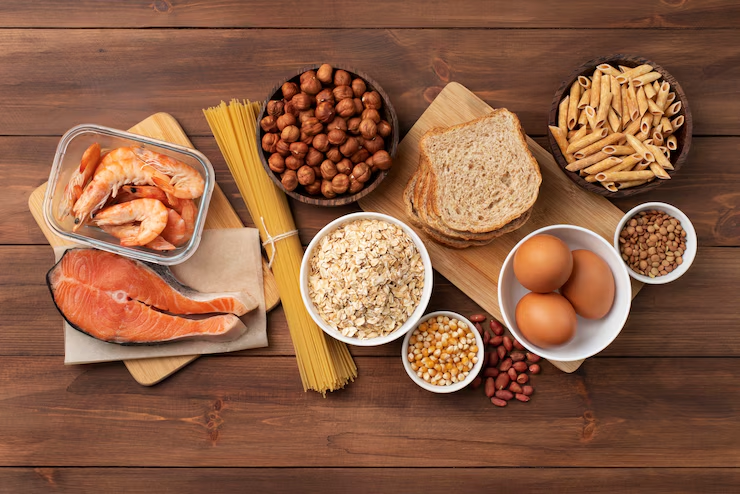
High-protein diets have become popular for weight loss and muscle building. They focus on increasing protein intake while reducing carbohydrates. But are they effective and safe? Let’s explore the benefits, potential risks, and the best protein sources for a balanced diet.
What Is a High-Protein Diet?
A high-protein diet emphasizes consuming more protein-rich foods and fewer carbs and fats. Protein is essential for building and repairing tissues, producing enzymes and hormones, and supporting overall health. Common high-protein diets include the Atkins and Zone diets.
How Much Protein Do You Need?
The recommended dietary allowance (RDA) for protein is 0.8 grams per kilogram of body weight. This translates to about 46 grams per day for women and 56 grams for men. However, individual needs may vary based on age, activity level, and health goals.
Benefits of High-Protein Diets1. Weight Loss and Satiety
High-protein diets can aid in weight loss by increasing feelings of fullness, leading to reduced calorie intake. Protein has a higher thermic effect, meaning the body uses more energy to digest it compared to fats and carbs.
2. Muscle Maintenance
Adequate protein intake supports muscle maintenance and growth, especially when combined with resistance training. This is crucial for preserving lean body mass during weight loss.
3. Improved Metabolism
Protein-rich diets may boost metabolism due to the energy required for digestion and processing of protein. This can contribute to increased calorie burning throughout the day.
Potential Risks of High-Protein Diets
1. Nutrient Deficiencies
Restricting carbohydrates can lead to deficiencies in essential nutrients like fiber, vitamins, and minerals. This may cause digestive issues and other health concerns.
2. Kidney Strain
Excessive protein intake may strain the kidneys, especially in individuals with pre-existing kidney conditions. It’s important to consult a healthcare provider before starting a high-protein diet.
3. Heart Health Concerns
Diets high in red and processed meats can increase the risk of heart disease due to saturated fats and cholesterol. Opting for lean protein sources is advisable.
Best Protein Sources for a Balanced Diet
Animal-Based Proteins
- Lean Meats: Skinless chicken, turkey, and lean cuts of beef and pork provide high-quality protein with less saturated fat.
- Fish: Salmon, tuna, and other fatty fish are rich in protein and omega-3 fatty acids, beneficial for heart health.
- Eggs: A complete protein source, eggs are versatile and nutrient-dense.
- Dairy Products: Low-fat milk, yogurt, and cheese offer protein along with calcium and other essential nutrients.
Plant-Based Proteins
- Legumes: Beans, lentils, and chickpeas are excellent sources of protein and fiber.
- Soy Products: Tofu, tempeh, and soy milk provide complete protein and are suitable for vegetarians and vegans.
- Whole Grains: Quinoa and farro offer protein along with complex carbohydrates and fiber.
- Nuts and Seeds: Almonds, peanuts, chia seeds, and flaxseeds are protein-rich and contain healthy fats.
Tips for Starting a High-Protein Diet
- Consult a Professional: Speak with a healthcare provider or dietitian to determine your protein needs and plan a balanced diet.
- Choose Lean Proteins: Opt for lean meats, low-fat dairy, and plant-based proteins to reduce saturated fat intake.
- Include Vegetables: Ensure your diet includes a variety of vegetables to provide essential nutrients and fiber.
- Stay Hydrated: Drinking plenty of water helps the kidneys process protein and prevents dehydration.
Conclusion
High-protein diets can be effective for weight loss and muscle maintenance when planned carefully. It’s important to choose healthy protein sources and maintain a balanced intake of nutrients. Consulting with a healthcare professional can help tailor a diet plan to your individual needs and health goals.
Also read – Best Protein Sources for Vegetarians and Vegans