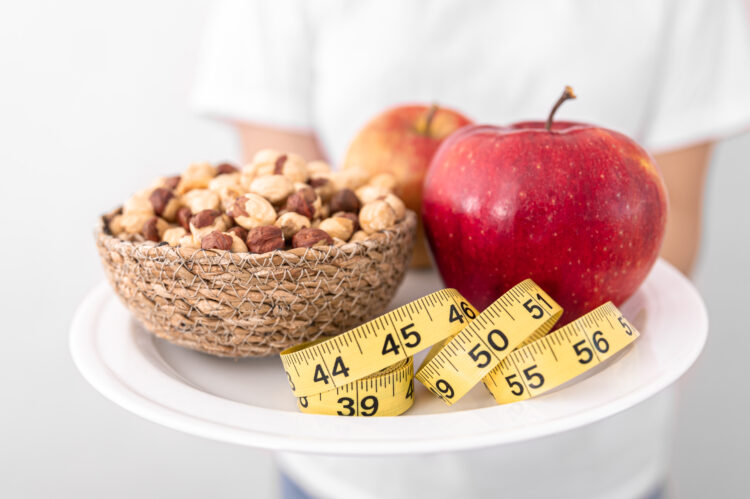
Losing weight isn’t just about fitting into a smaller size or stepping on the scale and seeing a lower number. For millions of people in the United States, it’s about building a healthier lifestyle, reducing health risks, and improving overall well-being. According to the CDC, more than 70% of American adults are overweight or obese, which makes weight loss not only a matter of appearance but also a critical public health concern.
The good news? Lasting weight loss is possible with the right habits, mindset, and strategies. This guide explores simple, science-backed weight loss tips designed for people living in the U.S.—from busy professionals to stay-at-home parents. Whether you’re starting your journey or have struggled with yo-yo dieting in the past, you’ll find practical steps that can make all the difference.
The Foundation of Weight Loss
At its core, weight loss requires creating a calorie deficit, which means burning more calories than you consume. However, it’s not just about numbers. The quality of the food you eat, your daily habits, mindset, and even stress levels play a huge role in whether you lose weight successfully.
For sustainable results, combine nutrition, movement, sleep, and mindset—instead of extreme diets or fad trends that promise quick results.
Nutrition Tips for Weight Loss
Focus on Whole Foods
Whole foods like lean proteins, vegetables, fruits, whole grains, and healthy fats are packed with nutrients and naturally more filling. These provide fiber and protein, which keep you full longer and prevent overeating.
- Choose grilled chicken or salmon over fried foods.
- Replace refined grains with quinoa, oats, or brown rice.
- Use avocado or olive oil instead of processed oils or butter.
Control Portion Sizes
Americans often underestimate portion sizes, especially in restaurants. A typical U.S. restaurant meal can easily be 2–3 times larger than the recommended serving.
- Use smaller plates at home to trick your brain into feeling satisfied with less.
- Measure foods, especially calorie-dense ones like nuts, pasta, or cheese.
- Split meals when dining out or ask for a to-go box immediately.
Limit Added Sugars
Sweetened beverages are a major source of empty calories. According to the American Heart Association, Americans consume far more added sugar than recommended.
- Swap soda for sparkling water or unsweetened iced tea.
- Opt for whole fruit instead of juice.
- Check labels for hidden sugars in condiments and packaged foods.
Eat More Lean Protein
Protein is a game-changer in weight loss. It reduces appetite, boosts metabolism, and helps preserve muscle mass.
Great protein options:
- Chicken breast, turkey, or lean beef
- Fish and seafood
- Greek yogurt, cottage cheese
- Plant-based choices like beans, lentils, tempeh, or tofu
Watch Liquid Calories
Alcohol, smoothies loaded with sugar, and fancy coffee drinks can sneak hundreds of calories into your day.
- Stick to black coffee or use low-calorie creamers.
- If you drink alcohol, choose lighter options like wine spritzers.
- Be careful with “green smoothies” that are more sugar than nutrients.
Lifestyle and Habit Shifts
Practice Mindful Eating
Most people eat while distracted—watching TV, scrolling on phones, or rushing between meetings. This leads to mindless overeating.
- Slow down and savor your meals.
- Put down your fork between bites.
- Listen to hunger and fullness cues instead of eating until stuffed.
Stay Consistent
Crash diets backfire. Studies show that consistent, small lifestyle changes lead to more sustainable results than drastic diets.
- Aim for 1–2 pounds of weight loss per week.
- Avoid labeling foods as “good” or “bad”—practice moderation.
Manage Stress
Stress leads to emotional eating and higher levels of cortisol, a hormone that can increase fat storage.
Effective stress-busters:
- Meditation or deep breathing
- Daily walks outdoors
- Journaling your thoughts
- Talking with a therapist or support group
Get Enough Sleep
Poor sleep is linked to weight gain because it disrupts hunger hormones like ghrelin and leptin.
- Aim for 7–9 hours of quality sleep.
- Avoid screens an hour before bed.
- Keep your bedroom cool and dark.
Exercise Strategies for Weight Loss
Find Movement You Enjoy
Exercise should feel empowering, not punishing. Americans who stick to physical activity long-term are usually those who find something fun.
- Walking, hiking, or biking outdoors
- Dance classes like Zumba
- Yoga or Pilates for flexibility and stress relief
- Strength training for muscle and metabolism
Combine Cardio and Strength Training
Cardio burns calories quickly, while strength training builds muscle, which increases your resting metabolism. The best results come from combining both.
Recommended:
- At least 150 minutes of moderate-intensity cardio weekly.
- 2–3 strength workouts per week targeting major muscle groups.
Don’t Overdo It
Excessive exercise can cause burnout and injury. Balance activity with recovery.
- Stretch after workouts.
- Schedule rest days.
- Focus on consistency, not perfection.
Weight Loss Myths Americans Should Avoid
- Myth 1: Carbs are the enemy. Whole grains, oats, and vegetables are all forms of healthy carbs that fuel your body.
- Myth 2: You must eat six small meals a day. What matters most is total calorie intake; some thrive on three meals, while others prefer intermittent fasting.
- Myth 3: Fat-free foods lead to weight loss. Many “low-fat” products are loaded with sugar. Healthy fats, like olive oil and nuts, can actually support weight management.
- Myth 4: Quick cleanses and detoxes work. Your liver and kidneys already detoxify your body. Instead, focus on balanced eating.
How to Stay Motivated
- Track progress with photos, measurements, and non-scale victories like energy levels.
- Celebrate small wins—like saying no to soda or finishing a 20-minute workout.
- Surround yourself with supportive friends, family, or online groups.
- Keep a journal of your journey to notice patterns and improvements.
Special Considerations in the U.S.
Living in the U.S. presents unique challenges:
- Portion sizes are larger compared to global standards.
- Busy lifestyles make fast food an easy fallback.
- Sedentary work culture contributes to reduced movement.
Being mindful of these common pitfalls can help you make smarter daily choices.
Putting It All Together
Weight loss doesn’t happen overnight—it’s the result of sustainable habits practiced consistently. By eating nutrient-dense foods, staying active, managing stress, and practicing mindful eating, you’ll not only lose weight but also feel stronger, healthier, and more confident.
Remember: the journey is personal. What works for one person in California may not be the same for someone in New York. Explore, experiment, and create a plan that works for your lifestyle.
Final Thoughts
Weight loss is achievable without fad diets or endless restrictions. For adults in the United States juggling busy schedules, financial strain, and endless food choices, small everyday changes make the biggest impact.
Start simple: drink more water, reduce portion sizes, move daily, and prioritize sleep. With consistency, those habits will snowball into lasting transformation.
Your healthier future self will thank you for the choices you start making today.
FAQ Section
What is the fastest way to lose weight safely?
The fastest safe way to lose weight is through a combination of balanced nutrition, regular exercise, portion control, and proper sleep. Aim for 1–2 pounds per week to avoid damaging your metabolism.
Can I lose weight without exercising?
Yes, weight loss is possible through diet alone since it’s primarily about calorie intake. However, exercise supports muscle preservation, improves mood, boosts metabolism, and makes results more sustainable.
Are carbs bad for weight loss?
No, carbs are not inherently bad. Whole carbohydrates like oats, quinoa, sweet potatoes, and vegetables provide energy and nutrients. Refined carbs and sugary snacks are the ones to limit.
How much water should I drink for weight loss?
A good guideline is around 8–10 cups daily, but it depends on body size, activity level, and climate. Drinking water before meals can also help reduce overeating by increasing satiety.
Is intermittent fasting effective for weight loss?
Yes, intermittent fasting can be effective for some people. It limits eating to specific time windows, which naturally reduces calorie intake. The key is still eating balanced meals during your eating window.
How can I stay motivated during my weight loss journey?
Tracking progress, setting small achievable goals, rewarding yourself for milestones, and surrounding yourself with supportive people are great ways to maintain motivation.