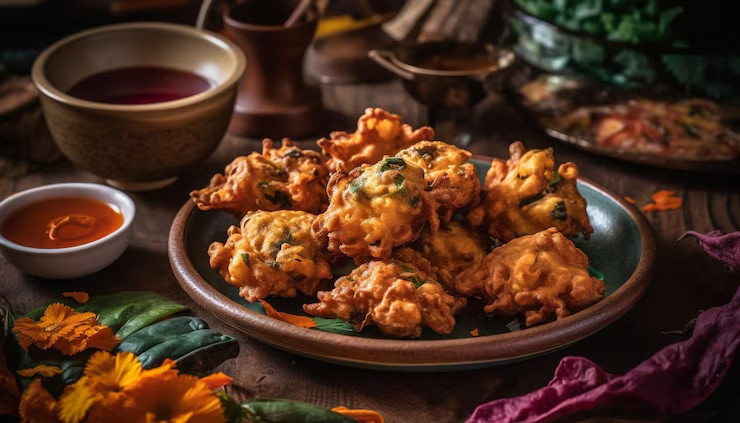
Monsoon season calls for warm chai and something crispy on the side—what better than homemade pakoras? These deep-fried delights, packed with flavor and crunch, are a favorite across Indian households.
This crispy pakora recipe shows you how to get that perfect golden texture using rice flour or besan (gram flour). We’ll explore which flour works best, how to avoid soggy fritters, and how to make your pakoras extra delicious every time.
Ingredients List
- 1 cup sliced onions or mixed vegetables (potato, spinach, cauliflower, etc.)
- ½ cup besan (gram flour) or rice flour (or a mix of both)
- 1 tbsp cornflour (optional for extra crispness)
- 1 tsp ajwain (carom seeds)
- 1–2 chopped green chillies
- 1 tsp red chilli powder
- 1 tsp coriander powder
- Salt to taste
- 2 tbsp chopped fresh coriander leaves
- Water as needed to make batter
- Oil for deep frying
Step-by-Step Instructions
- Add sliced vegetables to a large bowl. Sprinkle salt and mix. Let it sit for 5–10 minutes so it releases moisture.
- Add besan, rice flour, cornflour, ajwain, green chillies, red chilli powder, and coriander powder.
- Mix well using your hands to coat vegetables evenly. Add just enough water to bind the ingredients into a sticky batter.
- Heat oil in a deep pan or kadai. Drop small portions of the mixture into hot oil without overcrowding the pan.
- Fry until golden brown and crispy, turning occasionally for even cooking.
- Remove using a slotted spoon and drain on paper towels.
- Serve hot with green chutney or tomato ketchup.
Tips & Tricks for Crispy Pakora
- Use cold water while mixing the batter to make pakoras crispier.
- Mix besan with a bit of rice flour or cornflour to enhance crunch.
- Avoid over-watering the batter; the mixture should just bind.
- Fry on medium-high heat—low heat makes them soggy, high heat burns them.
- Don’t let the batter sit too long before frying; moisture from vegetables can make it watery.
- Always fry in batches to avoid temperature drops in the oil.
Nutritional Benefits of Pakoras (When Eaten Right!)
- Besan is a good source of plant-based protein and iron.
- Vegetables add fiber, vitamins, and minerals to the dish.
- Ajwain aids digestion and gives a pleasant aroma.
- Home-fried pakoras avoid preservatives and excess sodium found in packaged snacks.
- Air frying or shallow frying can significantly reduce calorie content.
- Pair with mint chutney for added antioxidants and freshness.
Frequently Asked Questions (FAQ)
- Q: Which is better for pakoras: besan or rice flour?
A: Besan gives body and flavor, while rice flour makes pakoras crispier. A mix of both works best.
- Q: Why are my pakoras turning soggy?
A: Too much water or frying on low heat can make them absorb oil. Keep batter thick and oil hot.
- Q: Can I make pakoras gluten-free?
A: Yes! Both besan and rice flour are naturally gluten-free. Just skip cornflour if it’s not labeled GF.
- Q: Can I air fry pakoras instead of deep frying?
A: Absolutely! Brush them with oil and air fry at 180°C for 10–12 minutes, flipping halfway.
- Q: What are the best vegetables for pakoras?
A: Onions, potatoes, spinach, cabbage, cauliflower, and even paneer work great for pakoras.
Conclusion
Nothing beats the joy of biting into a hot, crispy pakora while it rains outside. Whether you prefer besan, rice flour, or a mix of both, this recipe guarantees perfect results. Use the tips above, choose your favorite veggies, and enjoy this classic Indian snack your way.
Also Read – Paneer Bread Pakora Recipe – Crispy, Spicy & Filling Snack