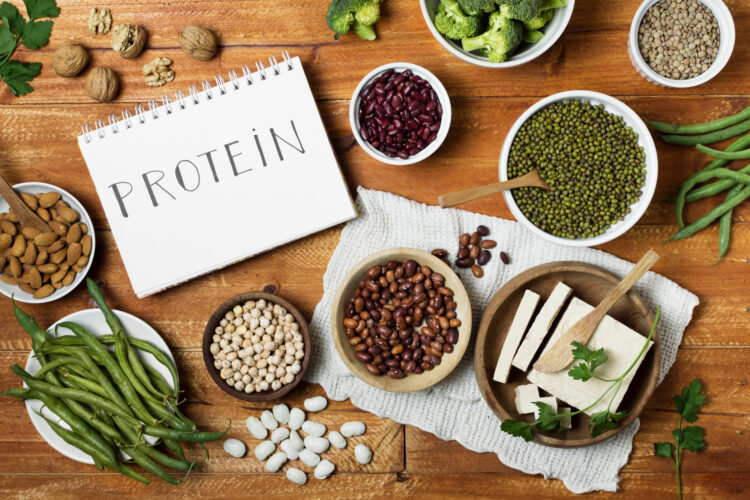
Protein is a key nutrient your body needs to build muscles, repair tissues, and support your immune system. Many people think that without meat or animal products, it’s hard to get enough protein. But the truth is — there are plenty of amazing plant-based protein foods that vegetarians and vegans can enjoy every day.
With smart food choices, you can follow a healthy vegetarian or vegan diet without missing out on essential nutrients. Let’s explore the top 18 best protein sources for vegetarians and vegans that are tasty, nutritious, and easy to add to your meals.
1. Seitan – The “Wheat Meat” Packed with Protein
Seitan is one of the highest plant-based protein sources. Just 100 grams of seitan gives you about 25 grams of protein! It looks and feels like meat, which makes it a favorite for plant-based recipes.
But remember — seitan is made from wheat gluten, so it’s not suitable for people with gluten allergies.
2. Tofu, Tempeh, and Edamame – Soy Superstars
These three soy-based foods are incredibly rich in protein and nutrients:
- Tofu is soft and easy to use in many dishes.
- Tempeh is fermented and has a nutty flavor.
- Edamame are young green soybeans that make a great snack or salad topping.
They offer about 12–20 grams of protein per 100 grams and are complete proteins, meaning they contain all nine essential amino acids.
3. Lentils – Fiber and Protein Powerhouse
Lentils are a staple in many vegetarian meals. One cooked cup has around 18 grams of protein, plus loads of fiber to support healthy digestion. They also contain iron, folate, and antioxidants — great for heart and gut health.
4. Beans and Chickpeas – Affordable and Nutritious
From black beans to kidney beans and chickpeas, these legumes are rich in protein (about 15 grams per cup). They also help regulate blood sugar, lower cholesterol, and provide essential nutrients like iron and folate.
5. Nutritional Yeast – The Cheese-Flavored Protein
Nutritional yeast has a cheesy taste and is often sprinkled on pasta, popcorn, and salads. Just 2 tablespoons give you 8 grams of protein and loads of B vitamins. It’s a must-have in every vegan pantry.
6. Spelt and Teff – Ancient Grains with Modern Benefits
Spelt and teff are old grains making a strong comeback. A cooked cup gives you 10–11 grams of protein along with fiber, iron, magnesium, and B vitamins. Spelt contains gluten, but teff is naturally gluten-free.
7. Hemp Seeds – Tiny Seeds, Big Nutrition
Three tablespoons of hemp seeds give you 9 grams of high-quality protein. They also offer omega-3 and omega-6 fats in the right balance. Add them to smoothies, yogurt, or sprinkle them on toast.
8. Green Peas – A Surprising Protein Vegetable
Cooked green peas pack nearly 9 grams of protein per cup. They’re also rich in fiber, vitamins A, C, and K, as well as iron and zinc. Peas are easy to add to soups, stir-fries, and side dishes.
9. Spirulina – Algae with a Punch
Spirulina is a blue-green algae loaded with nutrients. Just 2 tablespoons have 8 grams of protein and provide iron, magnesium, and antioxidants. Add it to smoothies for a nutritious boost.
10. Amaranth and Quinoa – Pseudograins That Deliver
Amaranth and quinoa are gluten-free grains that provide 8–9 grams of complete protein per cooked cup. They’re also rich in fiber and key minerals like magnesium, manganese, and phosphorus.
11. Ezekiel Bread – Sprouted and Full of Protein
This sprouted grain bread offers about 8 grams of protein in two slices. It’s made from a mix of grains and legumes that are easier to digest and rich in vitamins and minerals.
12. Soy Milk – A Dairy-Free Protein Drink
One cup of soy milk has 6 grams of protein, plus added calcium, vitamin D, and B12 (if fortified). Choose unsweetened varieties to avoid extra sugar and enjoy it in smoothies, cereal, or coffee.
13. Oats and Oatmeal – A Healthy Breakfast Option
Oats provide about 5 grams of protein per half-cup of dry oats. They’re also high in fiber and help keep you full. Add nut butter, chia seeds, or fruit to make a protein-packed breakfast bowl.
14. Wild Rice – Better Than White Rice
Wild rice gives you almost 7 grams of protein per cooked cup. Unlike white rice, it keeps its bran, which means more fiber, vitamins, and minerals. It’s great in soups, salads, or as a side dish.
15. Chia Seeds – Nutrient-Dense Tiny Seeds
One ounce of chia seeds (about 2 tablespoons) offers 5 grams of protein and 10 grams of fiber. They’re also rich in calcium, magnesium, and omega-3 fats. Mix them into yogurt or make chia pudding.
16. Nuts, Nut Butters, and Seeds – Tasty and Protein-Rich
Almonds, peanuts, sunflower seeds, and others provide 5–7 grams of protein per 28-gram serving. Choose raw or dry-roasted varieties and use nut butter on toast or in smoothies.
17. Protein-Rich Fruits and Vegetables
Some veggies like broccoli, spinach, potatoes, and Brussels sprouts contain 4–5 grams of protein per cooked cup. Fruits like guava and blackberries provide about 2–4 grams of protein per cup.
18. Mycoprotein – A Fungal Meat Alternative
Mycoprotein comes from a fungus and is often found in meat substitutes. It provides 15–16 grams of protein per 100 grams and is high in fiber. Always check the label for added eggs if you’re vegan.
Conclusion: Getting Enough Protein as a Vegetarian or Vegan
You don’t need meat or animal products to get enough protein. With a variety of plant-based foods, you can enjoy delicious meals while meeting your daily protein needs. Choose whole foods, mix different protein sources, and make your meals both tasty and nutritious.
If you’re unsure about your nutrient levels, talk to a healthcare provider about whether you need supplements, especially for vitamin B12, iron, and omega-3s.
Also Read – Top 10 High Fiber Foods with Low Carbs for a Healthy Lifestyle