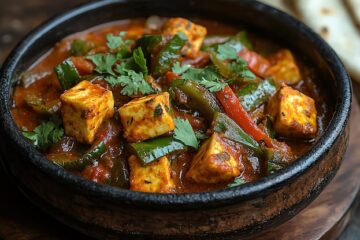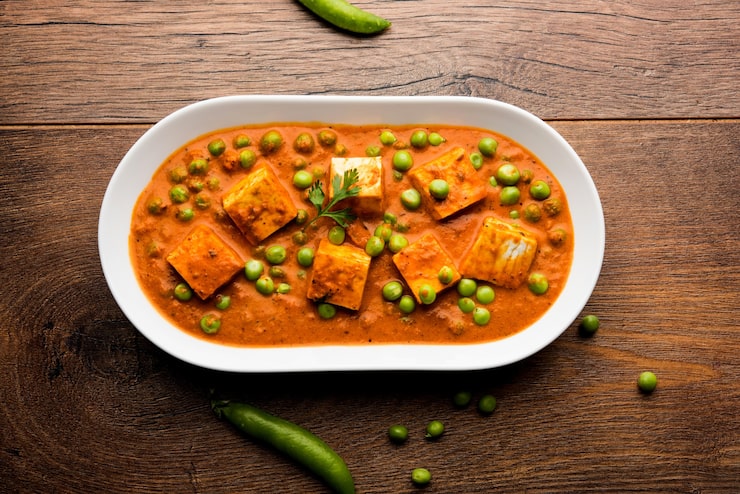
Few dishes capture the warmth of Indian home cooking like Matar Paneer. It is simple, comforting, and deeply satisfying. The combination of tender paneer cubes and sweet green peas in a mildly spiced tomato gravy creates a dish that feels both festive and everyday.
Matar paneer appears on restaurant menus across India and around the world. Yet, the homemade version often tastes even better. When prepared with fresh ingredients and balanced spices, it delivers richness without heaviness and warmth without overwhelming heat.
This detailed guide will show you exactly how to make matar paneer that tastes authentic, flavorful, and perfectly balanced. You will also learn expert tips, regional variations, common mistakes to avoid, and ways to customize the recipe based on your preference.
What Is Matar Paneer?
Matar Paneer is a North Indian curry made from two primary ingredients:
- Matar meaning green peas
- Paneer meaning fresh Indian cottage cheese
The dish is cooked in a tomato-based gravy enriched with spices and sometimes a touch of cream. The sweetness of peas complements the soft, mild paneer, while the gravy ties everything together with aromatic depth.
It is commonly served with roti, naan, paratha, or rice, making it one of the most versatile vegetarian curries.
Why Matar Paneer Is So Popular
Matar paneer strikes a perfect balance between richness and simplicity. Unlike heavier cream-based curries, it relies more on tomatoes and spices for flavor. This makes it lighter yet deeply satisfying.
It is also a crowd-pleaser. The mild spice level makes it suitable for children and adults alike. Whether it’s a family dinner or a festive meal, matar paneer always fits in.
Another reason for its popularity is accessibility. Paneer and peas are widely available and easy to cook, making this dish achievable even for beginner cooks.
Ingredients for Matar Paneer
Main Ingredients
- Fresh paneer, cut into cubes
- Green peas (fresh or frozen)
- Ripe tomatoes
- Onions
- Ginger and garlic
Spices and Flavorings
- Turmeric powder
- Red chili powder
- Coriander powder
- Cumin seeds
- Garam masala
- Bay leaf
- Salt
Optional Additions
- Fresh cream
- Kasuri methi (dried fenugreek leaves)
- Green chilies
Each ingredient plays an important role. Tomatoes provide acidity and color. Onions add body and sweetness. Spices create warmth and depth. Paneer absorbs flavors while maintaining a soft bite.
Choosing the Right Paneer
The texture of paneer defines the final dish. Fresh, soft paneer gives the best results. If using store-bought paneer, soak it in warm water for ten minutes before cooking. This restores softness and prevents rubbery texture.
Avoid overcooking paneer, as it can become chewy. Add it towards the end of cooking to maintain tenderness.
Fresh vs Frozen Peas
Fresh peas offer natural sweetness and slight crunch. Frozen peas are convenient and work just as well when cooked properly.
If using frozen peas, rinse briefly under water before adding to the gravy. Do not overcook, as they may lose color and texture.
How to Make Matar Paneer – Step-by-Step Guide
Step 1: Preparing the Base
Heat oil in a pan and add cumin seeds and bay leaf. Once aromatic, add finely chopped onions. Cook until golden.
Add ginger-garlic paste and sauté briefly until fragrant.
Step 2: Cooking the Tomato Gravy
Add chopped tomatoes and cook until soft and oil begins to separate. This step removes raw flavor and deepens taste.
Add turmeric, red chili powder, and coriander powder. Cook on low heat to prevent burning.
Step 3: Adding Peas
Add green peas and a small amount of water. Cover and simmer until peas are tender.
Step 4: Adding Paneer
Add paneer cubes gently. Simmer for a few minutes so paneer absorbs the flavors.
Finish with garam masala and crushed kasuri methi. Add cream if desired for richness.
Understanding the Gravy Texture
Matar paneer gravy should be medium-thick. It should coat the paneer and peas without being watery.
If too thick, add warm water gradually. If too thin, simmer uncovered to reduce.
The right consistency enhances taste and presentation.
Restaurant Style vs Homemade Matar Paneer
Restaurant style matar paneer often includes more cream and butter, resulting in a richer taste. Homemade matar paneer focuses more on tomato and spice balance.
Both styles are delicious. The choice depends on preference.
Common Mistakes to Avoid
One common mistake is undercooking tomatoes, which leaves a raw taste. Another is overcooking paneer, which makes it tough.
Adding too much water dilutes flavor. Always add water gradually and adjust consistency carefully.
Expert Tips for Perfect Matar Paneer
Cook spices on low heat to avoid bitterness. Use ripe tomatoes for natural sweetness. Add paneer at the final stage to keep it soft.
For extra depth, crush kasuri methi between palms before adding.
Regional Variations
Punjabi Style Matar Paneer
Slightly richer with butter and cream.
Dhaba Style Matar Paneer
Bolder spices and smoky flavor.
No Onion Garlic Version
Perfect for festive or satvik cooking.
Nutritional Benefits
Paneer is rich in protein and calcium. Peas provide fiber and vitamins. Combined, they create a balanced vegetarian meal.
When cooked with moderate oil, matar paneer fits well into a healthy diet.
Serving Suggestions
Matar paneer pairs beautifully with:
- Butter naan
- Tandoori roti
- Jeera rice
- Plain steamed rice
It can also be served alongside dal and salad for a complete meal.
Storage and Reheating
Store leftover matar paneer in an airtight container in the refrigerator for up to two days.
Reheat gently on low heat. Add a splash of water if needed to adjust consistency.
Creative Ways to Use Leftover Matar Paneer
Leftover matar paneer can be:
- Used as sandwich filling
- Stuffed into paratha
- Mixed with cooked rice
This makes it a versatile dish beyond traditional serving styles.
Why Homemade Matar Paneer Is Better
Homemade matar paneer allows control over spice levels, oil quantity, and ingredient quality. It tastes fresher and feels lighter compared to many restaurant versions.
Cooking it at home also ensures paneer remains soft and flavorful.
Conclusion
This matar paneer recipe demonstrates how simple ingredients can create a comforting and flavorful dish. With tender paneer, sweet peas, and aromatic spices, this classic peas paneer curry remains a timeless favorite.
Mastering this recipe gives you a reliable vegetarian curry that works for everyday meals and special occasions alike.
Try this homemade matar paneer and enjoy the taste of authentic North Indian comfort food.
FAQs
1. Can I use frozen paneer?
Yes, soak it in warm water before cooking.
2. Why is my matar paneer watery?
Too much water or insufficient simmering can cause thin gravy.
3. Can I skip cream?
Yes, cream is optional.
4. How do I make it spicy?
Increase green chilies or red chili powder.
5. Can I freeze matar paneer?
Freezing is possible but may change paneer texture.
6. Is matar paneer healthy?
Yes, when cooked with moderate oil.
7. Can I make it without onions?
Yes, use tomato and cashew paste instead.
8. What makes restaurant style different?
More butter, cream, and richer gravy base.
Also Try – Malai Paneer Recipe – Creamy North Indian Classic