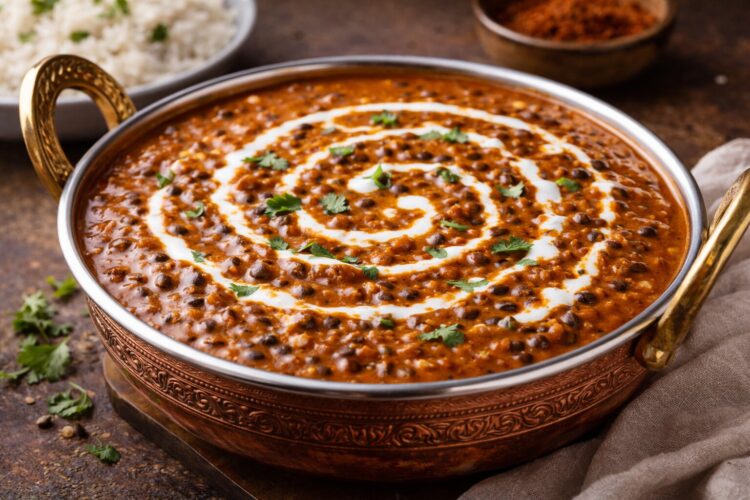
Some dishes are not just food; they are an experience. Dal Bukhara belongs in that category. Thick, creamy, deeply flavorful, and slow-cooked to perfection, this iconic Punjabi black dal has become synonymous with indulgence.
Unlike everyday lentil dishes, dal bukhara is special. It is the kind of dish served at celebratory dinners, fine restaurants, and festive gatherings. Yet, with patience and the right method, you can recreate its luxurious texture at home.
The heart of dal bukhara lies in slow cooking. Whole black lentils simmer for hours, absorbing butter and cream while developing a smoky, earthy flavor. The result is a dish that feels both comforting and regal.
In this detailed guide, you will learn how to make authentic restaurant style dal bukhara, understand the science behind its creamy consistency, explore variations, avoid common mistakes, and master techniques that elevate your cooking.
What Is Dal Bukhara?
Dal Bukhara is a North Indian lentil preparation made primarily from whole black gram (sabut urad dal). Unlike lighter dals, this dish focuses on richness and depth rather than sharp spices.
It is often compared to dal makhani, but dal bukhara is simpler in spice profile and richer in texture. It relies on slow cooking, butter, cream, and minimal spices to achieve its distinct character.
The result is a velvety, creamy dal with a deep, almost smoky flavor.
Origin and Culinary Significance
Dal Bukhara gained popularity in North India, especially in high-end restaurants known for Punjabi cuisine. Its name evokes traditional cooking methods and rich flavors.
Historically, slow-cooked black lentils were prepared overnight in clay ovens. The gentle heat allowed the lentils to break down naturally, creating a thick and luscious consistency.
Today, while modern kitchens may not use clay ovens, the essence of slow cooking remains central.
Why Dal Bukhara Is So Popular
Dal bukhara stands out because of its simplicity. There are no complex spice blends. Instead, it relies on technique and time.
Its popularity comes from:
- Creamy texture
- Deep, earthy flavor
- Comforting richness
- Versatility with breads and rice
It pairs beautifully with naan, tandoori roti, or jeera rice.
Ingredients for Dal Bukhara
Main Ingredients
- Whole black gram (sabut urad dal)
- Butter
- Fresh cream
- Ginger
- Garlic
- Tomato puree
Spices
- Red chili powder
- Salt
- A small amount of garam masala
The ingredient list is surprisingly short. The magic lies in how these ingredients are cooked.
Choosing the Right Lentils
The quality of urad dal determines the final texture. Always choose fresh, whole black lentils. Old lentils may take longer to cook and remain tough.
Soaking the lentils overnight softens them and reduces cooking time.
The Science Behind Creamy Dal Bukhara
Slow cooking allows lentils to release starch gradually. As starch breaks down, it thickens the dal naturally without added flour or thickeners.
Continuous simmering also blends flavors deeply. Butter and cream emulsify into the lentils, creating smoothness.
Patience is the secret ingredient.
How to Make Dal Bukhara – Step-by-Step Guide
Step 1: Soaking and Cooking Lentils
Soak the lentils overnight. Drain and pressure cook until soft and fully tender. The lentils should mash easily between fingers.
Step 2: Slow Simmering
Transfer cooked lentils to a heavy-bottomed pot. Add water as needed and simmer on low heat. Stir occasionally to prevent sticking.
This slow simmering may take 45 minutes to an hour or longer for authentic flavor.
Step 3: Preparing the Flavor Base
In another pan, melt butter. Add ginger and garlic paste. Cook gently without browning.
Add tomato puree and cook until the raw taste disappears.
Step 4: Combining and Finishing
Add the tomato mixture to the lentils. Continue slow cooking. Stir in cream and adjust salt.
Simmer again to integrate flavors fully.
How Long Should You Cook Dal Bukhara?
Traditional methods call for several hours of slow cooking. At home, at least one hour of gentle simmering after pressure cooking is recommended.
The longer it cooks, the creamier it becomes.
Dal Bukhara vs Dal Makhani
Though similar, they are distinct dishes.
Dal Makhani includes kidney beans and more spices. Dal Bukhara focuses almost entirely on black lentils with minimal seasoning.
Dal bukhara tastes smoother and less spiced compared to dal makhani.
Common Mistakes to Avoid
One major mistake is rushing the process. Quick cooking prevents proper starch release.
Another mistake is adding too much spice. Dal bukhara should not be overly spicy.
Using low-quality cream may affect texture.
Expert Tips for Restaurant Style Dal Bukhara
Use a heavy-bottomed pan for even cooking. Stir regularly to prevent sticking. Add cream at the final stage to preserve freshness.
For subtle smokiness, you can use the charcoal smoking method at the end.
Nutritional Benefits
Whole urad dal is rich in protein and fiber. It supports digestion and provides essential nutrients.
However, dal bukhara is calorie-dense due to butter and cream. Enjoy in moderation as part of a balanced diet.
Is Dal Bukhara Healthy?
While nutritious due to lentils, its richness makes it an indulgent dish. You can reduce butter slightly for a lighter version.
Balance it with whole wheat roti and fresh salad.
Serving Suggestions
Dal bukhara pairs best with:
- Butter naan
- Tandoori roti
- Jeera rice
- Plain basmati rice
Serve hot for best taste and texture.
Storage and Reheating
Dal bukhara stores well in the refrigerator for up to three days.
Reheat gently on low heat, adding a little water if necessary.
Interestingly, flavor deepens after resting overnight.
Creative Variations
You can experiment by adding:
- A small amount of smoked paprika
- A splash of milk for lighter texture
- Fresh coriander for garnish
Keep modifications minimal to preserve authenticity.
Why Homemade Dal Bukhara Is Worth It
Restaurant versions often use excessive butter. Homemade dal bukhara allows you to control richness while maintaining authentic taste.
Cooking it yourself also gives you flexibility in spice levels.
Conclusion
This dal bukhara recipe shows that true flavor comes from patience and quality ingredients. With slow-cooked black lentils, butter, and cream, you can create a rich and comforting Punjabi classic in your own kitchen.
Master the slow simmer technique, and you will unlock the signature creamy texture that defines authentic dal bukhara.
Take your time, enjoy the process, and savor every spoonful.
FAQs
1. Can I make dal bukhara without cream?
Yes, but it will be less rich.
2. How is dal bukhara different from dal makhani?
Dal bukhara uses only black lentils and fewer spices.
3. Can I cook it without soaking lentils?
Soaking improves texture and reduces cooking time.
4. How long should I simmer it?
At least one hour after pressure cooking.
5. Can I freeze dal bukhara?
Yes, but texture may change slightly.
6. Why is my dal not creamy?
It may need longer simmering.
7. Is dal bukhara very spicy?
No, it is mildly spiced.
8. Can I reduce butter?
Yes, adjust according to preference.