Asafoetida may not look impressive at first glance. In fact, its strong aroma can surprise anyone unfamiliar with it. Yet, this humble spice has been treasured for centuries in kitchens and traditional medicine systems.
Commonly known as hing, asafoetida is derived from the resin of the Ferula plant. Though small amounts are used in cooking, its impact on flavor and digestion is powerful. Beyond culinary uses, many people are curious about asafoetida benefits and whether science supports traditional claims.
This detailed guide explores everything you need to know about hing. You will learn about its origins, nutritional components, possible health benefits, scientific insights, safety considerations, and practical ways to use it.
What Is Asafoetida?
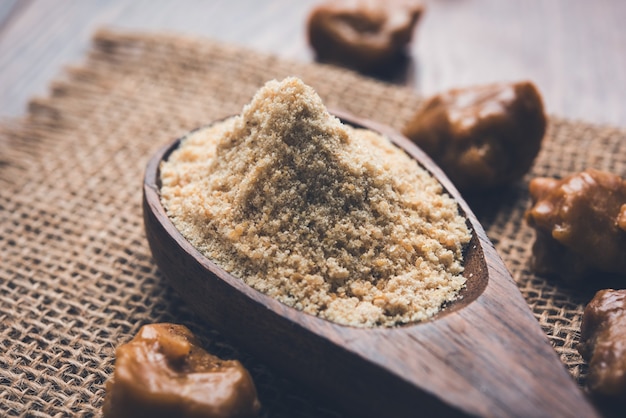
Asafoetida is a dried resin obtained from the roots of plants in the Ferula species, which belong to the carrot family. The resin is processed into powder form and often mixed with flour or starch for easier handling.
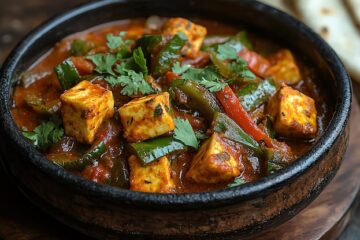
In Indian cooking, hing is commonly used in tempering. A small pinch added to hot oil releases a savory, umami-like aroma that enhances lentils, vegetables, and curries.
Despite its strong smell in raw form, cooking transforms it into a pleasant flavor similar to onions or garlic.
Nutritional Profile of Asafoetida
Although used in small quantities, asafoetida contains several bioactive compounds.
It provides:
- Natural antioxidants
- Sulfur-containing compounds
- Small amounts of fiber
- Trace minerals
Most health benefits of asafoetida are linked to its bioactive components rather than its macronutrient content.
Traditional Uses of Hing in Ayurveda
In Ayurveda, hing has been used for centuries as a digestive aid and anti-inflammatory spice. It is considered warming and is believed to stimulate appetite and improve metabolism.
Traditional uses include:
- Supporting digestion
- Relieving gas and bloating
- Easing menstrual discomfort
- Supporting respiratory health
While traditional use does not guarantee scientific proof, many modern studies are exploring these claims.
Asafoetida Benefits for Digestion
One of the most widely recognized hing benefits relates to digestion. Many people use asafoetida to reduce bloating and gas after meals.
How It May Support Digestion
Asafoetida contains compounds that may help relax intestinal muscles and reduce excessive gas formation. It is commonly added to lentil dishes because legumes can cause bloating in some individuals.
By stimulating digestive enzymes, asafoetida may improve overall digestion efficiency.
May Help Reduce Bloating and Gas
Gas and bloating are common digestive complaints. Hing has traditionally been used to relieve discomfort caused by trapped gas.
The sulfur compounds in asafoetida may contribute to its carminative properties, meaning it may help expel gas from the digestive tract.
However, while many people report relief, large-scale clinical trials remain limited.
Potential Anti-Inflammatory Effects
Chronic inflammation is linked to many health conditions. Preliminary research suggests asafoetida may contain anti-inflammatory compounds.
Laboratory studies indicate that certain plant extracts from asafoetida may help reduce inflammatory markers. More human research is needed, but the early findings are promising.
Asafoetida and Respiratory Health
Traditionally, asafoetida has been used to support respiratory function. It was believed to help loosen mucus and ease breathing.
Some compounds in hing may have mild expectorant effects. While it is not a replacement for medical treatment, it may provide supportive benefits in mild cases.
May Have Antimicrobial Properties
Research suggests asafoetida may possess antimicrobial effects against certain bacteria and fungi.
These properties are likely due to natural plant chemicals found in the resin. While this does not mean hing can replace antibiotics, it may contribute to overall immune support.
Possible Benefits for Blood Pressure
Some preliminary studies indicate that compounds in asafoetida may help relax blood vessels, potentially supporting healthy blood pressure levels.
However, evidence remains limited. Individuals with hypertension should not rely solely on spices for management.
Hormonal and Menstrual Support
In traditional systems, hing was used to ease menstrual discomfort. It was believed to promote healthy blood flow and reduce cramps.
While some small studies suggest potential benefits, more robust research is needed.
Scientific Evidence: What We Know So Far
It is important to separate traditional use from scientific evidence. While laboratory and animal studies show promising results, human studies remain limited.
Most benefits are based on preliminary findings or historical usage. Therefore, asafoetida should be viewed as a supportive spice rather than a medical treatment.
How to Use Asafoetida in Cooking
A small pinch is usually sufficient. Asafoetida is typically added to hot oil at the beginning of cooking.
Common dishes include:
- Lentils (dal)
- Vegetable curries
- Soups
- Pickles
Cooking reduces its pungent aroma and enhances flavor.
Dosage Considerations
Because asafoetida is potent, only small amounts are needed. Excess consumption may cause digestive discomfort.
Most recipes use less than one-quarter teaspoon.
Potential Side Effects of Hing
Although generally safe in small culinary amounts, excessive use may cause:
- Nausea
- Diarrhea
- Headaches
- Skin irritation
Pregnant individuals should consult healthcare professionals before consuming large amounts.
Who Should Avoid Asafoetida?
People with bleeding disorders, low blood pressure, or allergies to plants in the carrot family should exercise caution.
As always, consult a healthcare provider if unsure.
Asafoetida vs Garlic: A Comparison
Hing is often used as a garlic substitute in vegetarian and Jain cooking.
Garlic provides stronger nutritional value, but asafoetida offers a similar savory note with smaller quantities.
For those avoiding garlic, hing serves as a useful alternative.
Is Asafoetida Good for Weight Loss?
Some believe hing boosts metabolism. However, there is limited scientific evidence to support direct weight loss claims.
Healthy weight management depends on overall diet and lifestyle.
Pros and Cons of Using Asafoetida
Pros
- Enhances digestion
- Adds depth to flavor
- May provide antioxidant support
Cons
- Strong raw smell
- Limited human research
- Possible side effects in high amounts
Storage Tips
Store asafoetida in an airtight container away from moisture. Its strong aroma can spread easily, so keep it sealed tightly.
Conclusion
Asafoetida is a fascinating spice with deep cultural roots and growing scientific interest. From supporting digestion to adding bold flavor, its uses extend beyond seasoning.
While more research is needed to confirm certain claims, moderate use of asafoetida in cooking is generally safe and potentially beneficial.
If you are curious about incorporating hing into your meals, start small and observe how your body responds.
FAQs
1. What are the main asafoetida benefits?
It may support digestion, reduce bloating, and offer antioxidant properties.
2. Can hing replace garlic?
Yes, it is often used as a garlic substitute in certain diets.
3. Is asafoetida safe daily?
Small culinary amounts are generally safe.
4. Does hing help with gas?
Many people use it to reduce bloating and gas.
5. Are there side effects?
Excess intake may cause digestive discomfort.
6. Can pregnant women use hing?
Consult a healthcare provider before use.
7. Is asafoetida gluten-free?
Pure resin is gluten-free, but some commercial powders contain wheat flour.
8. How much hing should I use?
Usually a pinch is sufficient for most dishes.